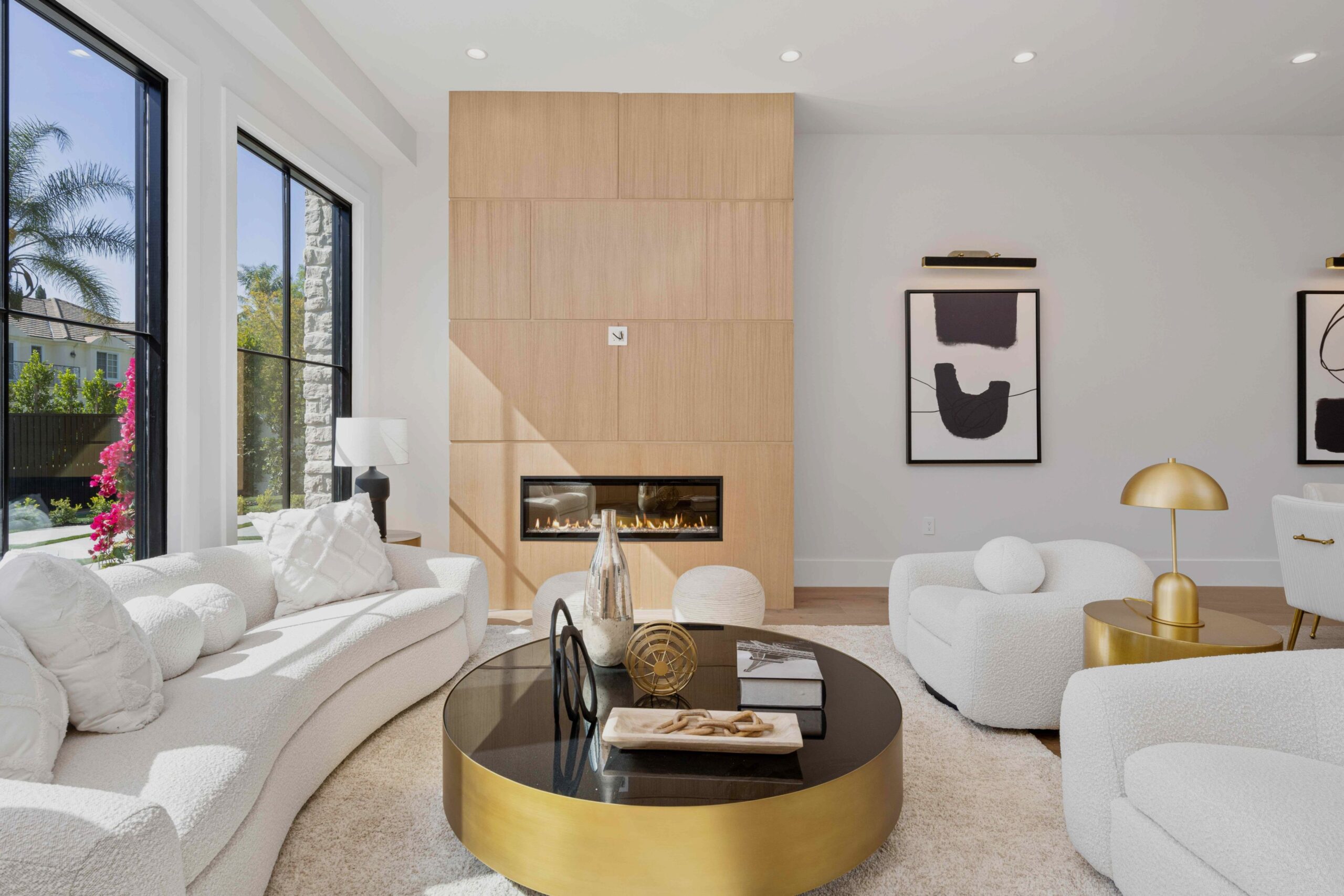
The fast pace of interior design means that today’s “must-have” often becomes tomorrow’s dated look. Designers are already identifying furniture trends that will likely fall out of favor by 2026, driven by shifts in comfort, practicality, and aesthetic preferences. Here’s what to avoid if you want a living room that feels current in the years ahead.
The Retreat From Minimalism
The stark, ultra-minimalist aesthetic is losing ground. Designers like Ashley Gallion of Ashley Ayer Interiors note a growing desire for spaces that feel lived-in rather than sterile. The trend toward warmth and nostalgia means people are opting for furniture with more detail, texture, and even a bit of plushness.
The goal is not necessarily maximalism, but rather avoiding the feeling of sitting in an airport waiting room.
The Downsizing of Sectionals
Oversized sectionals, once the centerpiece of many living rooms, are falling out of favor. Gallion points out that these bulky pieces can make spaces feel flat and impersonal. The solution isn’t to sacrifice seating, but to create conversation zones with multiple, more thoughtfully arranged pieces – two sofas facing each other, or a grouping of comfortable accent chairs.
The End of All-White Interiors
All-white furniture may look pristine in photos, but it’s proving impractical for real life. The constant upkeep and sterile feeling are turning people off. Instead, warmer, layered spaces with mixed materials and varied textures are gaining traction. This shift acknowledges that real living involves wear and tear, and embraces a more relaxed aesthetic.
Beyond Scallops: Trend Fatigue
Scalloped edges, once a whimsical detail, have reached “trend fatigue.” While the look isn’t necessarily bad, it’s become overused. Designers suggest exploring vintage alternatives like Victorian chairs with channel detailing for a similar charm without the dated feel.
The Decline of Cane Accents
Cane detailing, another once-popular element, is facing similar criticism. Its overuse has diluted its impact. The advice here is to look for authentic midcentury pieces with streamlined wood details instead.
Rattan Chairs: Style Over Comfort
Rattan chairs, though visually appealing, often sacrifice comfort for aesthetics. Libby Baker Speight of Baker Design Co. emphasizes prioritizing seating that people actually want to use. Rattan can still work as an accent piece, but avoid relying on it for primary seating.
“As a designer, I personally avoid living room trends that aren’t comfortable,” says Speight.
The Bouclé Backlash
Bouclé upholstery, the nubby, textured fabric that exploded in popularity, is now seen as impractical and overdone. Cleaning can be difficult, and the trend has simply run its course. Velvet or linen offer similar texture without the maintenance headaches.
Rejecting Mass-Market Uniformity
Finally, avoid filling your living room with furniture straight from a retailer’s catalog. Speight recommends seeking unique pieces that stand out rather than blending into the crowd. Individuality and character are replacing cookie-cutter design.
In conclusion: The future of living room design leans toward comfort, practicality, and personal expression. By avoiding these declining trends, you can create a space that feels both stylish and inviting for years to come.