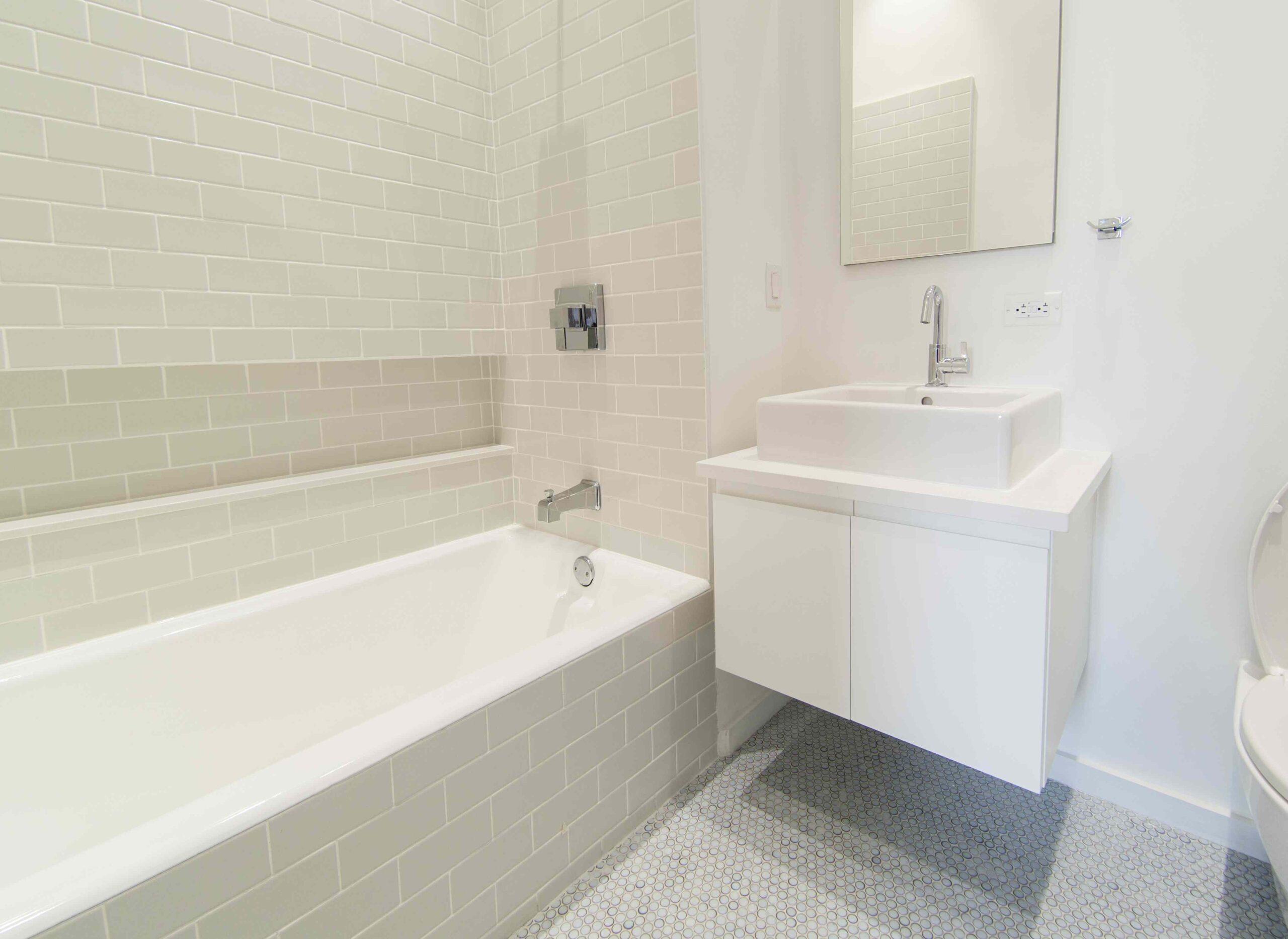
For over a century, penny tiles – those small, round mosaics resembling coins – have been a staple in design, from vintage bathrooms to modern backsplashes. Yet, despite their classic appeal, two leading designers argue that penny tile is increasingly overrated. The primary issue isn’t aesthetics, but the excessive maintenance required to keep them looking pristine. This shift reflects a broader trend in interior design toward low-maintenance, high-impact materials.
The Allure of Penny Tile
Penny tiles typically come in porcelain, glass, or ceramic, often arranged on 12″x12″ mesh sheets for easy installation. They’re known for their durability and timeless style, frequently appearing in bathrooms, kitchens, and even commercial spaces like restaurant bars. However, this durability comes at a cost.
Why Designers Are Recommending Alternatives
The core problem with penny tile lies in the sheer amount of grout needed to fill the numerous joints. Jennifer Homeyer, CEO and Designer at The Design House, notes that poorly maintained grout can quickly make penny tile look worn and cluttered. Su Ozduran, an architectural designer at Country Floors, adds that porous grout retains moisture, leading to inevitable staining in wet areas like bathrooms or entryways.
This isn’t just an aesthetic concern. Penny tile surfaces feel uneven underfoot, especially when walking barefoot. The grout lines are also three times more numerous compared to large-format tiles, making both installation and cleaning significantly more labor-intensive.
The Rise of Large-Format Tiles
Designers are increasingly recommending large-format porcelain tiles as a superior alternative. These tiles minimize grout lines, reducing maintenance and creating a cleaner, more monolithic look. A 12″x24″ tile installed with thin, 1/16″ grout lines is not only striking but also far easier to keep clean.
Matte finishes are also favored for their practicality in moisture-exposed areas. The less grout, the less dirt accumulation, and the longer the tile maintains its new appearance. This trend reflects a growing demand for materials that prioritize both style and functionality, rather than relying on dated aesthetics that require constant upkeep.
“A large-format porcelain helps to both reduce grout lines and maintenance, not to mention creating a seamless, clean, monolithic look, which, in my opinion, is a timeless choice that feels more intentional and less trendy.” — Jennifer Homeyer, The Design House.
In conclusion, while penny tile retains a nostalgic charm, the practical drawbacks and emergence of superior alternatives are pushing designers towards more streamlined, low-maintenance solutions. The shift underscores a broader industry focus on materials that offer lasting beauty without sacrificing convenience.