


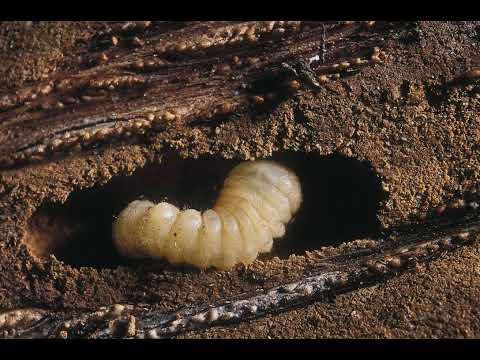
Lawn grubs pose a significant threat to healthy turf across the United States, particularly in regions with ample moisture. These larvae of scarab beetles feed on grass roots, leading to dead patches, spongy turf, and attracting digging pests. Effective control requires understanding their life cycle and applying the right treatments at the right time.
Understanding Lawn Grubs
Lawn grubs are the immature stage of various scarab beetles, including Japanese and June beetles—two of the most common culprits. While the grubs damage grass roots, the adult beetles can further harm ornamental plants and crops. This dual threat makes grub control essential for maintaining a healthy landscape.
Why this matters: Grubs aren’t just a cosmetic problem; severe infestations can destroy lawns, requiring costly reseeding or replacement. The damage extends beyond aesthetics, as grub-infested lawns become magnets for skunks, raccoons, and other digging animals that further disrupt the soil.
8 Signs of a Grub Infestation
Detecting grubs early is crucial for successful treatment. Look for these telltale signs:
- Irregular dead patches: Grass dies in irregular shapes, expanding over time.
- Spongy turf: The lawn feels soft and yields underfoot.
- Easy lifting: Patches of grass peel back effortlessly, revealing exposed soil.
- Persistent dryness: The lawn remains dry despite regular watering.
- Animal digging: Small holes appear from skunks, raccoons, or other digging animals.
- Mole activity: Tunneling and raised mounds indicate grub presence.
- Bird swarms: Crows, grackles, and starlings congregate to feed on grubs.
- Beetle swarms: Adult beetles hover near the ground, signaling an active infestation.
Effective Grub Control Strategies
Controlling lawn grubs depends on whether you’re aiming for prevention or cure. Timing is critical, as treatments vary based on the grub’s growth stage and climate.
Preventive Insecticides
Applying preventive insecticides like imidacloprid, thiamethoxam, or clothianidin during early to midsummer targets newly laid eggs, reducing future grub populations. Chlorantraniliprole is a bee-friendly alternative with slightly lower efficacy.
Key steps: Mow before application to minimize pollinator exposure. Use a fertilizer spreader for granular products and water thoroughly (half an inch) to activate the chemicals.
Curative Insecticides
For existing infestations, carbaryl and trichlorfon can reduce grub populations, but only when applied before they pupate in late spring. These fast-acting insecticides are less effective than prevention but can provide immediate relief.
Caution: Apply before grubs stop feeding. Repeat applications may be needed for optimal results.
Natural Alternatives
For organic control, consider these methods:
- Milky Spore: A bacterial disease that targets Japanese beetle grubs. It requires several years to establish but offers long-term control (up to 15 years).
- Beneficial Nematodes: Microscopic worms that invade and kill grubs. Apply on moist soil during overcast days for maximum effectiveness.
- Neem Oil: A botanical pesticide that disrupts grub feeding and growth. Best applied in late summer to early autumn.
- Diatomaceous Earth: A natural powder that desiccates insects. Sprinkle liberally over infested areas.
Conclusion
Controlling lawn grubs requires vigilance and proactive measures. By identifying infestations early and applying appropriate treatments—whether preventive chemicals or natural alternatives—you can protect your yard from destructive damage and maintain a healthy, vibrant lawn.


