The design world often cycles back to past aesthetics, and outdoor spaces are no exception. In 2026, several yard trends from the mid-20th century are experiencing a resurgence, driven by a desire for authenticity, sustainability, and a touch of nostalgia.
Gravel Courtyards: Low-Cost Texture
Gravel and decomposed granite courtyards, once common in Mediterranean and midcentury modern homes, are gaining popularity as an affordable and practical hardscaping option. Water conservation is a key driver here; gravel requires minimal water compared to traditional lawns or concrete. According to Bill Ferris, president of Decor Outdoor, homeowners are drawn to the texture and low maintenance of these materials.
Stones Over Concrete: Embracing Imperfection
Smooth concrete pathways, while easy to maintain, lack the character that many homeowners now seek. Designers are seeing a shift toward permeable, sand-set stones, which develop a natural patina over time. Molly Sedlacek of ORCA Landscape Architecture + Outdoor Product Studio points out that concrete cracks and loses appeal, while stone ages gracefully.
Sunken Conversation Pits: Cozy Outdoor Lounges
The indoor conversation pits of the 1960s and 70s are moving outdoors, reimagined with cleaner lines and integrated fire features. Modern outdoor pits include weather-resistant seating, subtle lighting, and comfortable upholstery, creating inviting gathering spaces. Ferris notes that this trend offers a nostalgic yet updated social area.
Wicker Furniture: Organic Nostalgia
Wicker represents a longing for nature that resonates in today’s designs. Landscape designer Kristen Kelly explains that the 1970s embrace of organic materials is back in vogue. To maximize the aesthetic, add colorful pillows and pair wicker pieces with textured rugs and warm wood accents.
Potted Herbs: Functional Nostalgia
Potted herbs – basil, rosemary, mint – are making a comeback, echoing their popularity in the 1960s and 70s. Back then, they were conveniently placed near kitchen doors for easy cooking access. Today, potted herbs bring a fresh, organic feel to patios while offering practicality.
Old-School Plants for Privacy
Instead of relying on fast-growing but often unsustainable options, homeowners are turning to classic privacy plants like lilac, camellia, and magnolia. Kelly emphasizes that these plants provide instant structure and texture, creating the impression that the landscape has evolved over time.
Brick Accents: Monolithic Gardens
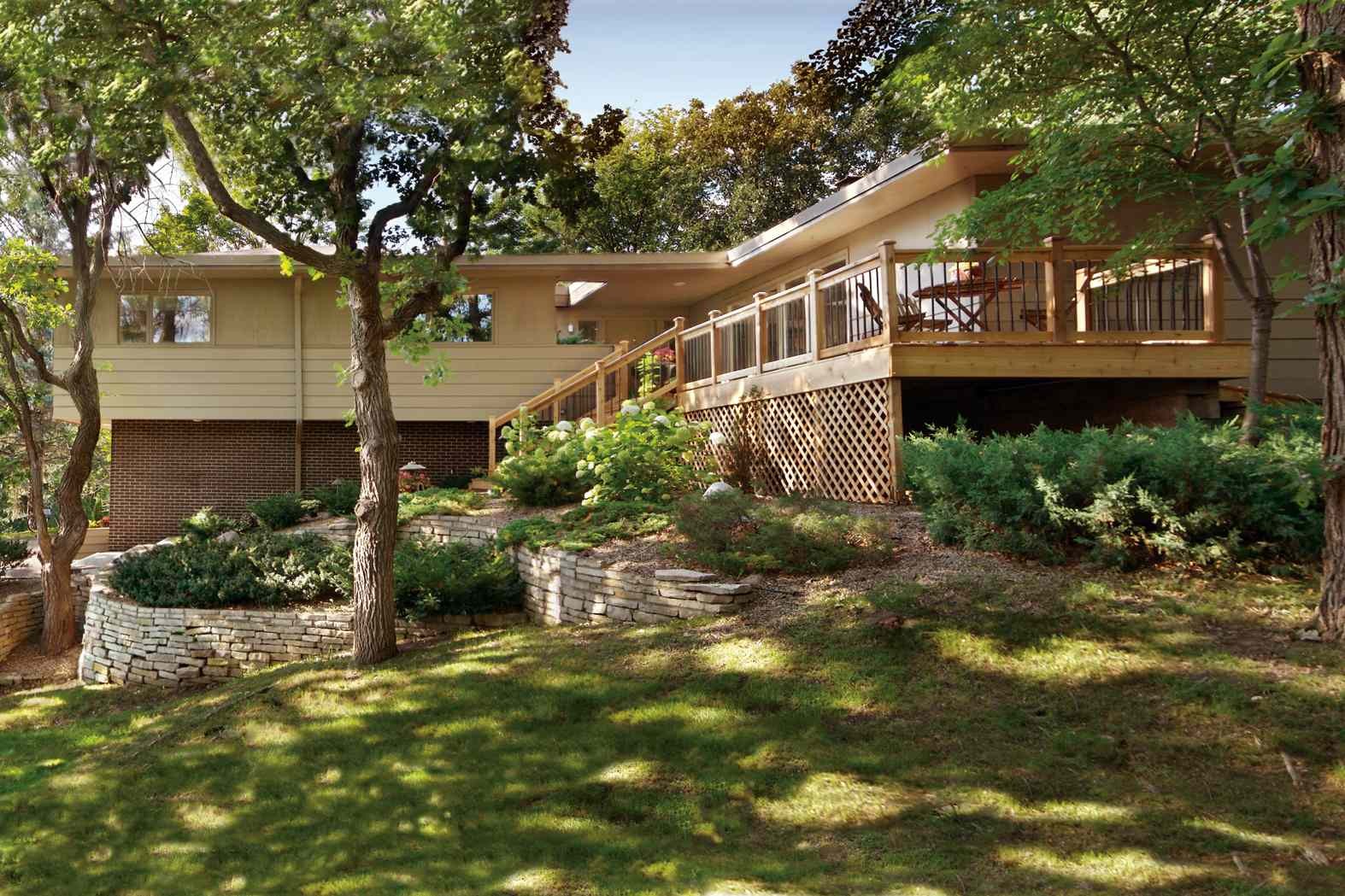
Brick, once a symbol of craftsmanship during the 1970s renovation boom, is now being used in planters, benches, and outdoor kitchens. Sedlacek notes that brick adds a monolithic feel to gardens, with its variety of colors and textures offering greater design versatility.
Individual Outdoor Furniture: Rejecting Rigidity
Modular outdoor seating sets are falling out of favor as homeowners prioritize comfort over curated looks. Instead, intentional arrangements of individual chairs and tables are gaining traction. Kelly observes that this trend rejects prescribed seating in favor of more luxurious, free-form designs.
These trends reflect a broader shift toward authenticity, sustainability, and comfort in outdoor design. By embracing elements from the past, homeowners are creating spaces that feel both familiar and uniquely modern.