


For generations, certain gardening techniques have been treated as gospel. But as science advances and sustainability becomes paramount, some long-held practices are proving outdated – even harmful. Three professional gardeners are urging a shift, advising to abandon six common habits before the 2026 growing season. This isn’t about stubborn tradition; it’s about working with nature, not against it.
Stop Raking Leaves Immediately
The fall cleanup obsession? It’s counterproductive. Chris Cerveny, co-founder of Just Good Soil, argues against premature leaf removal. Waiting until pollinators have finished their life cycles prevents accidental deaths. Beyond that, leaves aren’t waste; they’re organic matter. Instead of bagging them, Cerveny recommends composting or using them as mulch – a free, natural soil amendment.
Ditch High-Maintenance Container Gardens
Elaborate container gardens with exotic annuals are becoming unsustainable. Mary Phillips of the National Wildlife Federation advocates for native plants that thrive with minimal intervention. These containers drain resources, particularly water. Shifting to regional species reduces workload and conserves vital resources. The trend is moving away from demanding displays and toward resilient, low-impact landscapes.
Skip Fertilizer in the Planting Hole
Directly adding fertilizer to a planting hole is a myth. Jason Skipton, executive director of Growing Gardens, explains that this actually stunts root development. Roots need to search for nutrients to grow strong. Instead, apply fertilizer or compost to the soil surface for consistent, natural nourishment. A concentrated dose near the roots prevents outward expansion, leading to weak, root-bound plants.
Reconsider Killing All Weeds
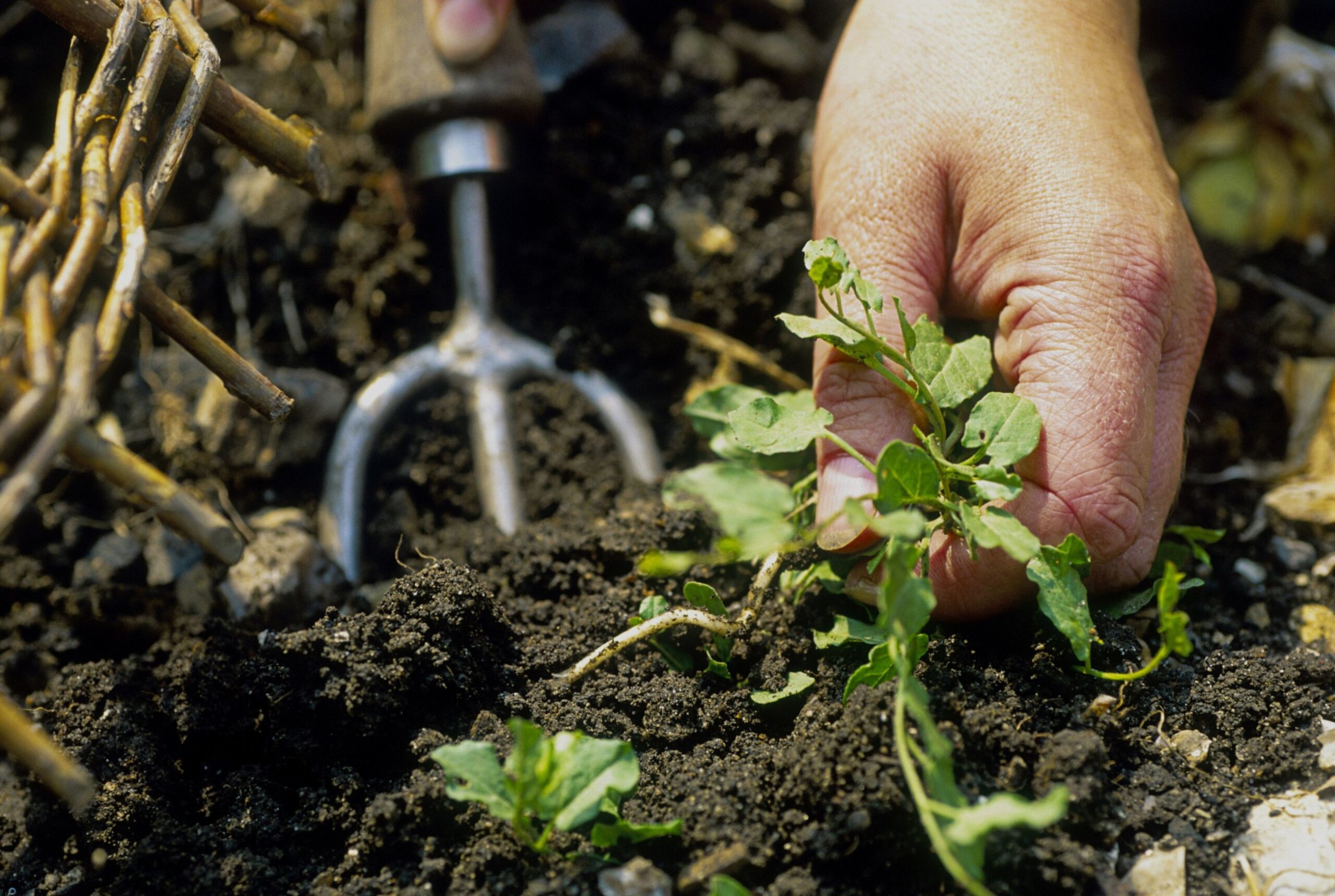
The war on weeds is outdated. Cerveny admits he once relied on herbicides but now sees weeds as valuable contributors to soil health. Selective removal of aggressive invasives is fine, but blanket eradication is unnecessary. Regenerative gardening recognizes that weeds play a role in ecosystem balance – and can even improve soil structure.
Rethink Irrigation Systems
An irrigation system might signal a bigger problem: the wrong plants. Phillips argues that if your garden needs constant watering, you’ve chosen species inappropriate for your region. Prioritize drought-resistant natives and rainwater harvesting instead. Water scarcity is a growing concern, and wasteful irrigation is no longer sustainable.
Cut Back on Chemical Fertilizers & Herbicides
Synthetic chemicals are convenient, but over-reliance has consequences. Skipton points out that these products have led to unnecessary dependence. A healthy garden prioritizes natural solutions over quick fixes. This isn’t just about environmental responsibility; it’s about building long-term soil health and resilience.
The key takeaway is that gardening isn’t about control. It’s about understanding and adapting to natural processes. By abandoning these outdated practices, gardeners can create more sustainable, thriving ecosystems with less effort and fewer resources.


