


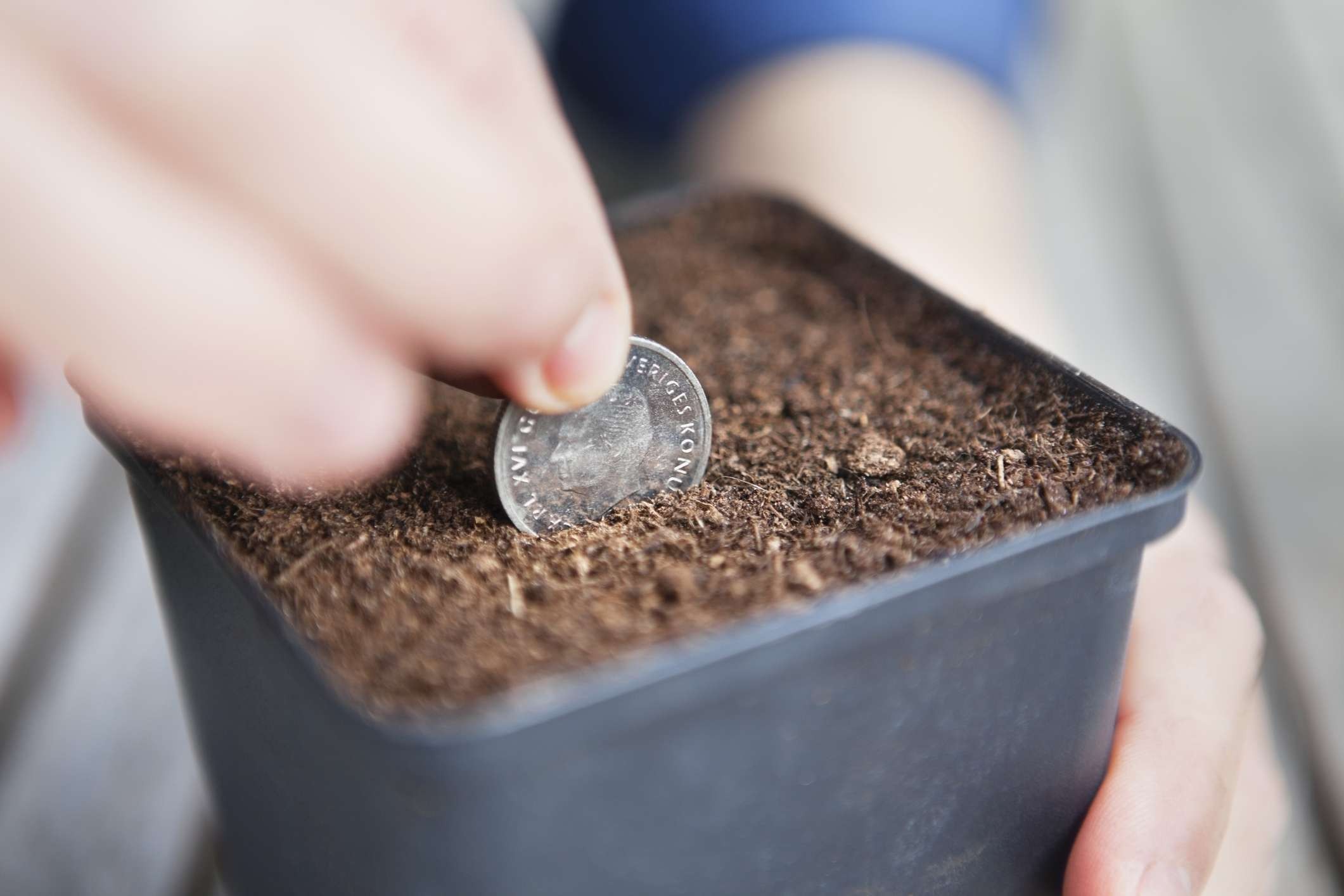
The latest viral plant hack suggests inserting pennies into houseplant soil to boost growth, fight fungus, and repel pests. While the idea taps into the fact that copper is a vital plant nutrient, experts say the “penny trick” is unlikely to yield significant benefits and may even be a waste of your spare change.
The Logic Behind the Hack
The rationale behind this trend lies in copper’s role in plant physiology. Copper is essential for photosynthesis, contributing to healthy growth and vibrant foliage. Soil deficiencies in copper can result in stunted development and yellowing leaves, increasing vulnerability to diseases and pests. The theory posits that pennies slowly release copper into the soil, offering a cheap alternative to commercial copper-based fertilizers.
Why It Doesn’t Work (Well)
Horticultural experts, like Heather Zidack from the University of Connecticut, caution against relying on this method. The reality is far more complex than simply adding metal to dirt. Copper availability to plants depends on a multitude of factors – oxidation rates, soil type, pH levels, and existing nutrient composition.
Modern pennies are largely zinc with a thin copper coating, meaning minimal copper actually leaches into the soil. Even older copper coins won’t deliver a substantial nutritional boost. Any copper released is likely to occur at a rate too slow to have a measurable impact on plant health. Plants don’t absorb copper unless it’s in an “available” form, and pennies don’t guarantee that.
Fungicide Claims Debunked
The idea of pennies acting as a fungicide also falls short. Commercial copper fungicides work through direct contact with plant tissue, creating a protective barrier against fungal infections. Pennies buried in soil won’t achieve this targeted, effective coverage.
Potential Harm (and Why It’s Minimal)
While a few pennies won’t likely harm your plants, excessive copper levels can damage them at a cellular level. However, the amount of copper leached from coins is too insignificant to pose a real threat. The environmental impact is also negligible.
Better Ways to Care for Your Plants
Instead of relying on unproven shortcuts, focus on science-backed plant care practices. The most effective approach is regular observation: learn what healthy growth looks like for your specific plants and promptly identify any signs of distress.
If intervention is needed, use targeted, proven products, and always follow label instructions carefully. Contact your local Cooperative Extension for accurate diagnoses and reliable solutions.
“The sooner you can identify a problem, the sooner you can implement a management strategy,” says Heather Zidack. “Effective plant care relies on observation, informed intervention, and respecting product guidelines.”
In conclusion, while the penny hack may seem intriguing, it’s unlikely to significantly benefit your plants. Stick to proven methods, observe your greenery closely, and trust science over viral trends for healthier, thriving houseplants.


