


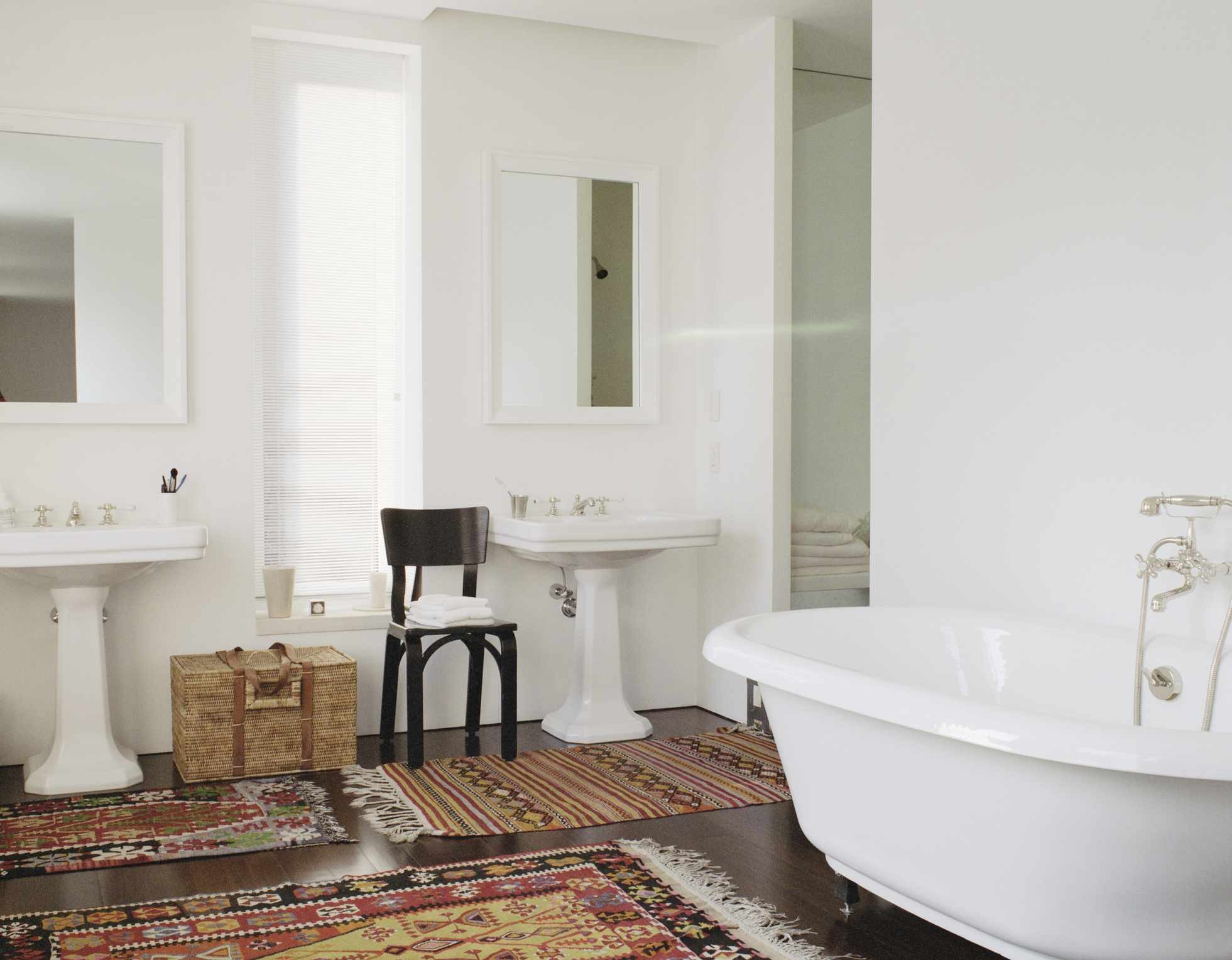
Stepping onto frigid bathroom tiles in winter is unpleasant, yet many bathrooms struggle with cold temperatures due to hard surfaces, humidity, and ventilation needs. Raising the thermostat isn’t the only answer. Here are seven practical ways to make your bathroom warmer without inflating your energy costs.
Seal Drafts: The First Line of Defense
Drafts are a quick way to lose heat. Inspect windows and doors for gaps and seal them with weatherstripping, caulk, or door sweeps. While replacing windows with energy-efficient models is an option, it’s often unnecessary in smaller bathrooms. Effective sealing makes an immediate difference.
Maximize Sunlight & Window Treatments
Natural light helps warm a space. During the day, fully open windows to let sunlight in, especially if facing south. When closed, thermal-lined curtains or insulated blinds trap air, slowing heat loss. Strategic use of window coverings can boost warmth without extra energy.
Pre-Heat With Steam
Running the shower for a few minutes before entering warms the room with moist air. Moist air feels warmer than dry air, and the heat lingers in the small space if you keep the door closed. Just remember to vent moisture afterward to prevent mold.
Heat-Retaining Tubs: A Longer-Term Solution
If replacing your tub, choose materials like copper, cast iron, or stone resin. These retain heat better than fiberglass, keeping water warmer longer and radiating warmth into the bathroom. Even a bath cover can reduce heat loss while filling the tub.
Rugs: Instant Comfort Underfoot
Barefoot on icy tiles is a shock. Bathroom-friendly rugs provide insulation. High-pile or plush mats maximize warmth, and quick-drying materials like microfiber are ideal for high-humidity spaces. Rugs make the space feel warmer psychologically and physically.
Warm Lighting: A Psychological Boost
Warm-toned LED bulbs (2700K–3000K) create a cozy glow. While they don’t heat the room, they make it feel warmer than harsh white light. Infrared heat bulbs offer a more direct solution, radiating warmth onto you near the sink or shower.
Soften Hard Surfaces: Decor Matters
Bathrooms often have hard, reflective surfaces. Changing decor to warmer tones and textures can alter the perception of temperature. Choose earthy paint colors, plush towels, woven baskets, and brushed brass hardware instead of cold chrome.
Ultimately, warming a cold bathroom doesn’t always require expensive fixes. Small changes – sealing drafts, using rugs, and adjusting decor – can make a significant difference in comfort without breaking the bank.


