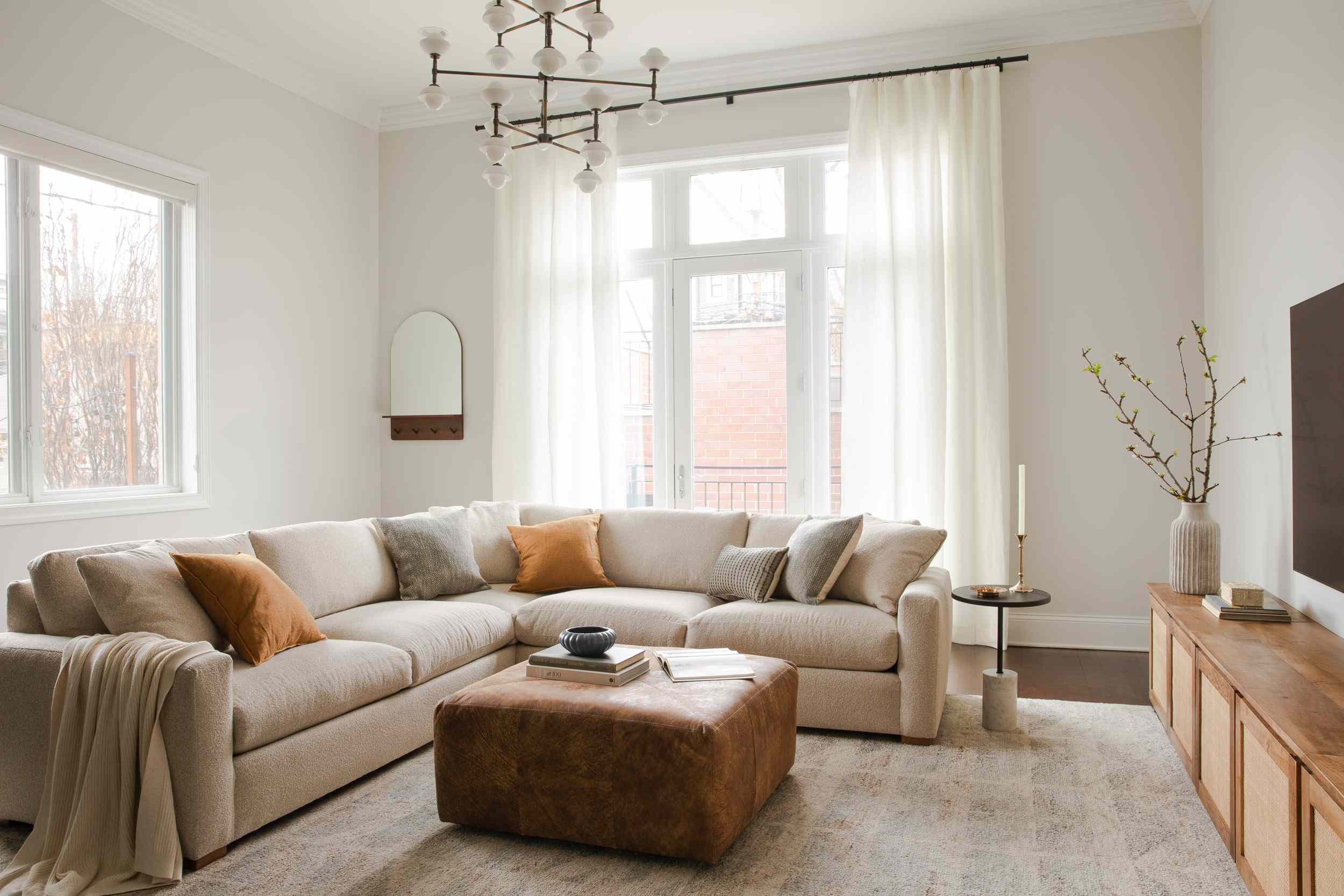
For homeowners and interior enthusiasts, one of the most debated design questions is whether wood tones should match. The answer, according to experts, isn’t always a simple “yes” or “no.” While matching can work, mixing wood shades often elevates a room by adding depth and visual interest.
The Case for Variety
Designers agree that a carefully balanced mix of wood colors tends to look more sophisticated than uniformity. Yazmin Gutierrez, an interior designer, explains, “When you add contrast to your woods, and it is done right, you create a dynamic space that feels naturally more elevated.” The key isn’t just throwing different woods together, but understanding undertones.
Danielle Rockstroh emphasizes that identical wood tones can make a room feel flat. The solution? Pairing wood elements within the same temperature family —warm with warm, cool with cool—creates cohesion without monotony. Susan Jamieson adds that this approach “adds depth and distinction while still feeling cohesive.”
When Matching is Best
Despite the benefits of variety, some scenarios call for matching wood tones. Rockstroh points out that elements like stair treads matching floors, vanities in the same bathroom, or connected millwork pieces should have identical finishes.
Kitchens are another area where consistency is crucial, particularly between upper and lower cabinets, though islands can serve as a contrasting element. Similarly, matching sofa legs to coffee tables grounds the space, while ensuring furniture from different eras share a common wood tone creates visual harmony.
Styling Mismatched Wood Furniture
The most effective way to combine dissimilar wood shades is by focusing on undertones. An ultra-dark shelving unit can complement a light wood floor if their temperature tones align. Jamieson advises, “Identify the dominant wood first and let its temperature guide the others.” In many rooms, flooring serves as this anchor, with furnishings echoing its undertone.
A favorite pairing among designers is white oak with walnut. “They’re totally different shades, which brings in some contrast, but they have the same undertones, so they’ll always look good together,” Jamieson notes.
Practical Tips for Mixing with Wood Floors
When working with wood floors, the following guidelines help ensure a polished look:
- Prioritize undertones. Match the warmth or coolness of your floor in all other wood elements.
- Contrast thoughtfully. Dark woods against light floors work if the undertones align.
- Ground with cohesion. Matching legs to tables creates a unified feel.
- Balance eras. If mixing vintage and modern, ensure wood tones are consistent for visual harmony.
In conclusion, harmonious wood mixing hinges on temperature, not exact color matches. By understanding undertones and applying intentional contrast, homeowners can achieve a dynamic, well-coordinated space that feels both elevated and inviting.