Maintaining clean pillows is vital for good sleep hygiene. Over time, they accumulate body oils, dead skin cells, and dust mites, which can impact comfort and even allergies. This guide provides straightforward steps for washing pillows of all types, keeping them fresh, and extending their lifespan.
Why Pillow Cleaning Matters
Most people don’t wash their pillows often enough. The build-up of debris isn’t just unpleasant; it creates a breeding ground for allergens and can degrade pillow quality over time. Regular cleaning (once or twice a year) prevents this, ensuring a healthier and more comfortable sleep experience.
Washing Machine Method: Down, Fiberfill, and More
For pillows filled with down or polyester fiberfill, the washing machine is your friend.
- Pretreat Stains: Gently dab enzyme-based stain remover onto any visible marks, letting it sit for 15 minutes.
- Load Smartly: Use a front-loading washer or a top-loader without a center agitator to give pillows room to move. Add white bath towels for balance.
- Gentle Cycle: Choose cold or warm water, the gentle cycle, and minimal detergent (about 2 teaspoons).
- Extra Rinse: Run an additional rinse cycle to ensure all detergent is removed.
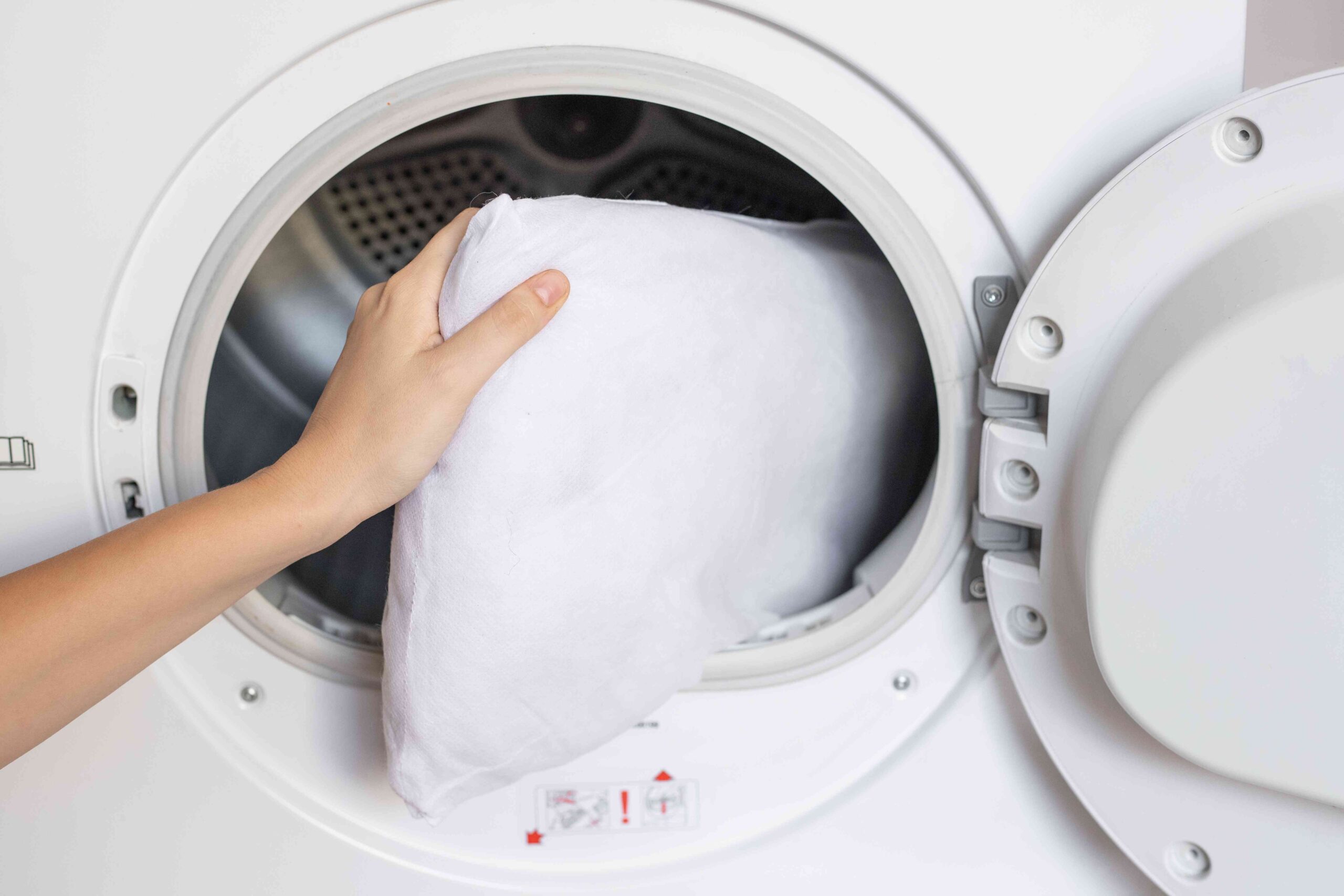
- Dry Thoroughly: Tumble dry on low or medium heat with wool or tennis balls to prevent clumping. Fluff by hand every 15 minutes. Air drying is also an option, but requires frequent turning.
Hand-Washing: The Gentle Approach
Latex, memory foam, or gel-infused memory foam pillows are best hand-washed to avoid damage from machine agitation.
- Pretreat Stains: As with machine washing, address visible stains first.
- Soapy Bath: Fill a clean bathtub with lukewarm water and a small amount of gentle detergent.
- Gentle Agitation: Submerge the pillow and knead it gently for 5 minutes to distribute the cleaning solution.
- Rinse Thoroughly: Drain the soapy water and refill the tub multiple times with clean water, kneading until no suds remain.
- Absorb Moisture: Wrap in thick towels to absorb excess water. Down or polyester can then go in the dryer; foam pillows should air dry on a ventilated surface.
Eliminating Odors and Stains
Stubborn odors or yellowing can be addressed with simple solutions:
- Baking Soda: Sprinkle generously over the pillow, let sit for an hour, then vacuum away. This absorbs odors and lifts dust.
- Paste Treatment: Mix baking soda with lemon juice or hydrogen peroxide to tackle stains. Let sit before rinsing.
Pillow-Type Specifics
Different materials require slight adjustments:
- Feather & Down: Avoid fabric softener, as it can flatten the fill.
- Wool: Hand-wash only in cool water with gentle detergent; avoid bleach.
- Throw Pillows: Spot-clean if covers aren’t removable; machine or hand-wash inserts based on filling.
Extending Pillow Freshness
Preventive care is key:
- Protective Covers: Use both a pillowcase and a protective cover to minimize build-up.
- Weekly Changes: Wash pillowcases at least weekly, especially if you sweat or are sick.
- Dry Hair First: Never sleep with wet hair to avoid moisture build-up.
- Air Cycle: A quick tumble in the dryer on the air cycle helps remove dust.
- Vacuum Regularly: Vacuum foam pillows when changing linens.
When to Replace Your Pillow
A pillow past its prime loses its support. If it doesn’t spring back after folding or kneading, it’s time for a replacement. Investing in a new pillow ensures better sleep quality and hygiene.