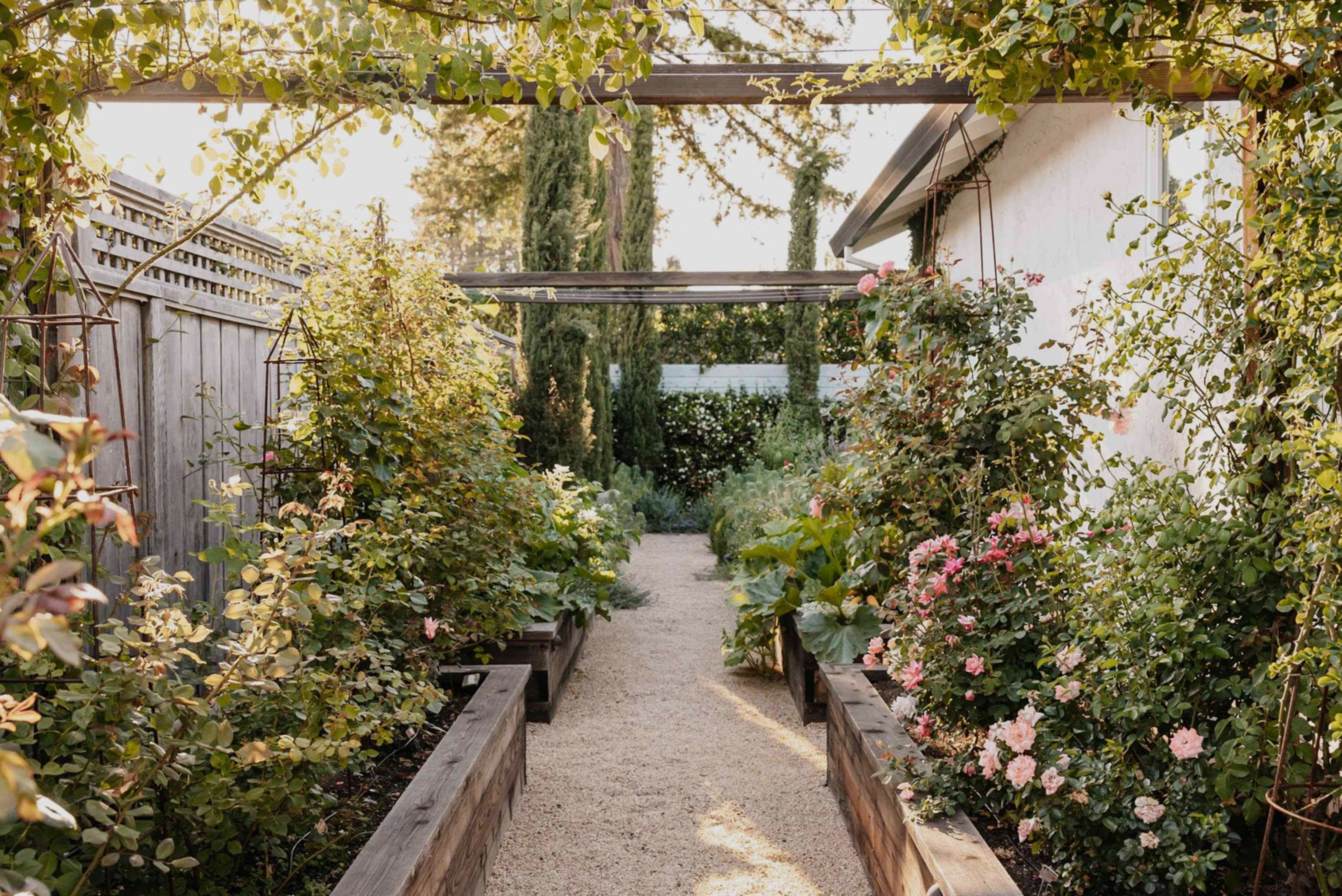
Creating a beautiful garden doesn’t have to break the bank, and that includes the walkways. Building a garden path yourself is one of the most cost-effective ways to improve your outdoor space, offering both practicality and aesthetic appeal. This guide presents 13 affordable designs, ranging from simple gravel walkways to more elaborate stepping stone arrangements, all achievable in a weekend.
Why DIY Garden Paths?
The cost of landscaping can quickly add up. However, garden paths are an exception. With smart material choices and basic effort, you can create a functional and attractive path without hiring professionals. This is particularly appealing for homeowners who enjoy hands-on projects and want to maximize their outdoor space on a tight budget.
The Most Affordable Options
The cheapest garden path materials are gravels like pea gravel, which are easy to install and require minimal preparation. Another budget-friendly option is stepping stones, which can be laid directly on the soil (though this may result in some settling over time). Mulch is also a viable option, though it will need to be refreshed more often than stone or gravel.
Step-by-Step Guide to Building a Simple Path
- Plan Your Layout: Decide on the main walkway and any connecting paths between garden beds. Consider whether you want a straight, formal path or a winding, natural one.
- Prepare the Ground: Clear debris and level the soil. Dig a trench about 6 inches deep for better stability and drainage.
- Add Drainage Layer: Lay down gravel or loose stones, followed by landscape fabric to prevent weeds and promote drainage.
- Finish with Surface Material: Choose your final material—gravel, stepping stones, or mulch—and arrange it neatly.
More Inspiration: 13 DIY Garden Path Designs
- Pea Gravel Walkway: The simplest and cheapest option. Requires minimal digging and can be laid in any shape.
- Flagstone Stepping Stones: Elegant and durable, but may settle over time if not properly set.
- Brick Path: Classic and long-lasting, though bricks can be more expensive than gravel.
- Mulch Path: Natural and affordable, but requires regular replenishing.
- Concrete Pavers: A durable and low-maintenance option, though installation can be more challenging.
- Wood Chip Path: Rustic and cost-effective, but prone to decomposition.
- Pallet Wood Path: A creative reuse project, but requires careful assembly and weatherproofing.
- Recycled Tire Path: An eco-friendly option, though the appearance may not appeal to everyone.
- Glass Bottle Path: Unique and eye-catching, but requires careful placement and edging.
- Shell Path: Ideal for coastal gardens, though shells can be slippery when wet.
- Pine Needle Path: Soft and natural, but decomposes quickly and may attract pests.
- River Rock Path: A textured and visually appealing option, but can be uneven underfoot.
- Sand Path: The most temporary option, but perfect for children’s play areas.
The Bottom Line
**DIY garden paths are an accessible way to enhance