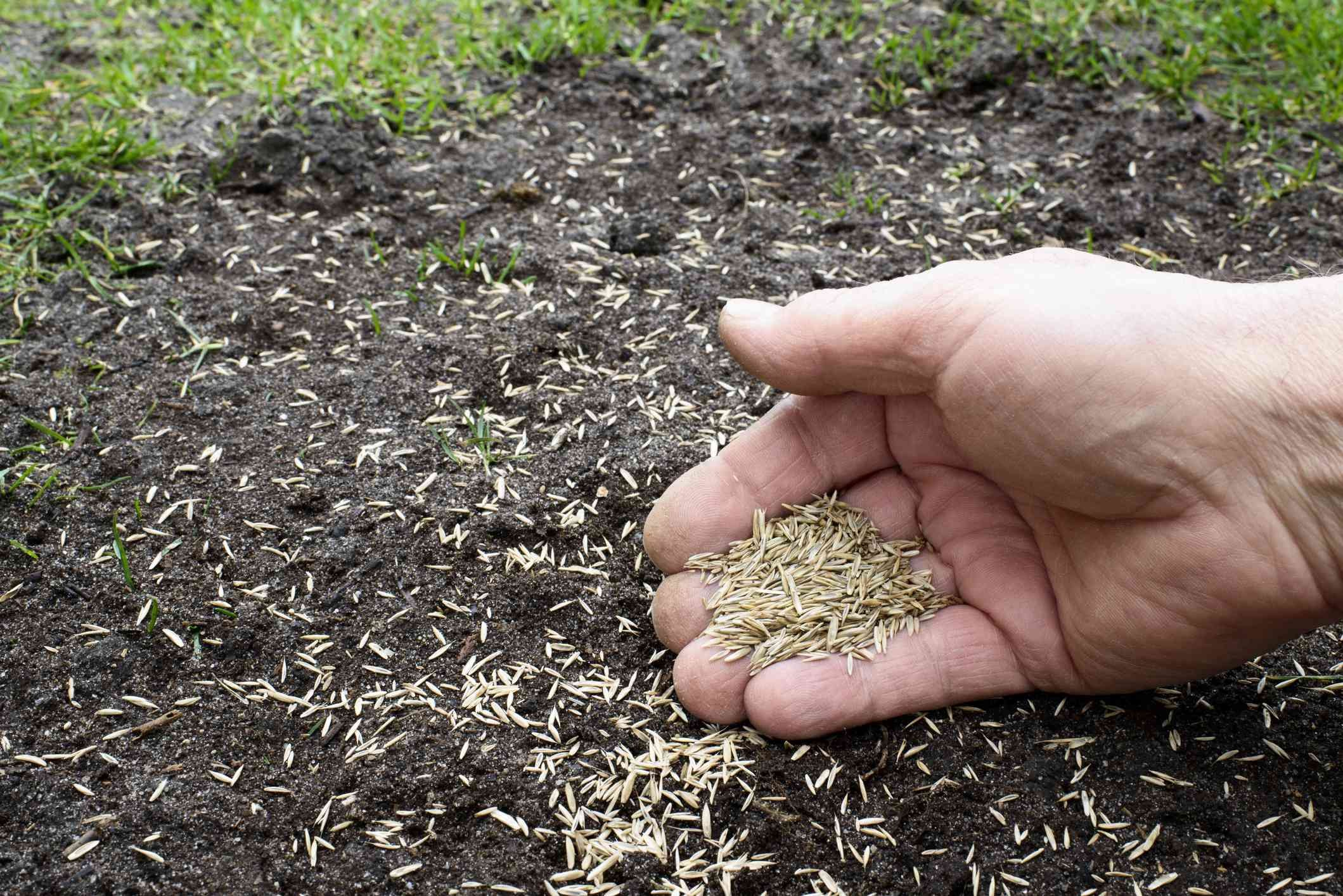
Slit-seeding is a specialized lawn care technique gaining traction for its effectiveness in strengthening turf and combating weeds. However, it’s not a one-size-fits-all solution and can actually harm healthy lawns if misapplied. This article breaks down the process, benefits, risks, and optimal timing for slit-seeding, providing clarity for both DIY enthusiasts and those considering professional services.
What Is Slit-Seeding?
Slit-seeding, also known as slice-seeding, involves a machine that simultaneously cuts shallow grooves into the lawn and deposits grass seed directly into the soil. The key advantage is direct seed-to-soil contact, maximizing germination rates and minimizing loss to birds, pests, wind, or water runoff.
The machine itself resembles a larger lawn mower, using closely spaced vertical discs to create these grooves. A hopper dispenses seed behind the discs, ensuring even distribution.
How to Slit-Seed a Lawn
The process is straightforward, but precision is essential:
- Measure and Seed Selection : Accurately measure the lawn area and purchase the appropriate amount and type of grass seed.
- Preparation : Remove debris (rocks, twigs) and mark sprinkler heads to avoid damage.
- Mowing : Cut the lawn short, between 1 to 2 inches in height.
- Machine Setup : Fill the hopper with seed and adjust the machine’s cutting depth and seeding rate according to the seed type.
- Seeding Pattern : Pass the machine over the lawn twice, in perpendicular directions, to ensure even coverage. Use half of the seed for the first pass and the remaining half for the second.
- Thatch Management : Lightly rake over the seeded areas to smooth out the thatch, removing excess buildup if necessary.
Why Slit-Seeding Works
The primary benefit lies in seed contact. Traditional overseeding methods often leave seeds exposed, vulnerable to environmental factors and wildlife. Slit-seeding bypasses this by placing seeds directly into the soil, improving the odds of successful germination.
As Chrissie Handley, a lawn care specialist at Online Turf, explains: “The main appeal of slit-seeding is that you’re ensuring the seeds are making direct contact with the ground.”
When to Use—and Avoid—Slit-Seeding
Slit-seeding excels in reviving thin or struggling lawns due to heavy traffic, nutrient deficiencies, or turf diseases. It’s also ideal for patching bare spots caused by pets or insects.
However, avoid this method on healthy, well-established lawns. The machine’s discs can severely damage existing grass and root systems. Jason McCausland of Weed Man advises, “Slit-seeding is best for extremely thin and struggling lawns…this method helps thin lawns regain density.”
If attempting on pre-existing grass, ensure the machine is in perfect condition with sharp blades and precise height settings to minimize damage.
DIY vs. Professional Services
While DIY slit-seeding is feasible, it requires careful execution. Rental yards typically charge around $100 per day or $375 per week for overseeding machines.
Professional slit-seeding is generally recommended, as experts have the experience to avoid damaging healthy turf. If you choose DIY, start in a secluded area to practice and minimize visible harm.
Best Time for Slit-Seeding
The optimal time for cool-season grasses (Kentucky bluegrass, perennial ryegrass, fescues) is in the fall. Soil temperatures remain warm enough for germination, while cooler air reduces stress on new growth. This allows seedlings to establish roots before winter sets in.
Spring slit-seeding is also possible, but the fall window offers better conditions for long-term success.
“The soil remains at an ideal temperature to enhance seed germination, while the cooler air temperatures reduce stress on new grass,” says TruGreen’s Brian Feldman.
In conclusion, slit-seeding is a powerful tool for lawn revitalization when applied correctly. By understanding its benefits, risks, and optimal timing, homeowners can ensure a healthier, denser turf or opt for professional services to avoid potential damage.