


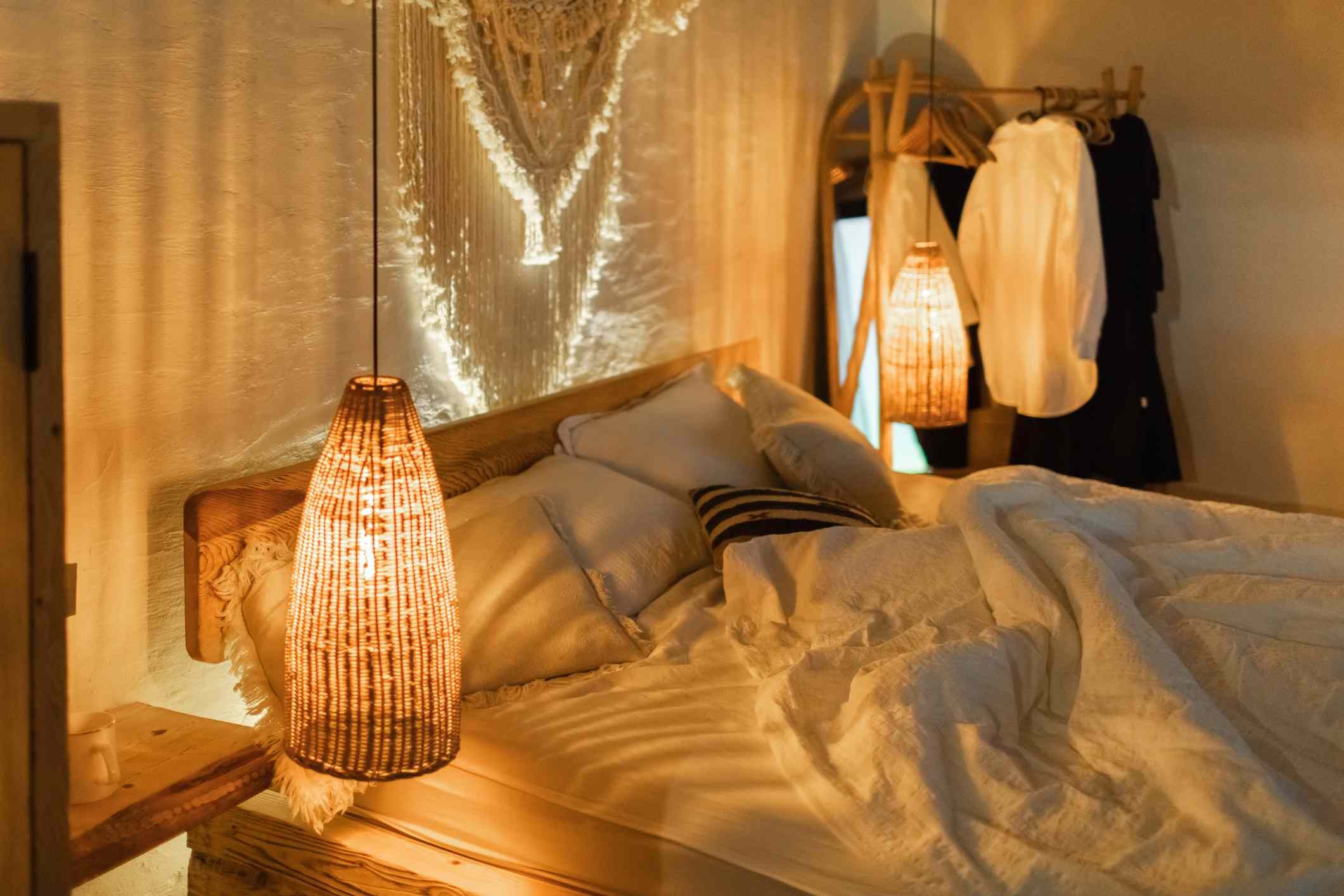
The shorter days and gray skies of winter can take a toll on mood and energy levels. But interior designers say simple lighting changes can make a significant difference, transforming your home into a more inviting and uplifting space. These fixes don’t require expensive renovations — often, just swapping a light bulb can do the trick.
Create Soft, Ambient Lighting
Harsh overhead lights tend to feel clinical, so designers recommend focusing on softer, layered illumination. According to Steven Graffam, co-founder of Stivale Graffam Home, “Soft-glow table lamps, sculptural floor lamps, and wall sconces with warm bulbs instantly lift a room’s mood.”
The goal is to create pools of light rather than one bright source. Materials like frosted glass or rice paper help diffuse light gently, making spaces feel calmer and more inviting. This matters because lighting directly impacts our perception of a space, and a more comfortable environment reduces stress and improves well-being.
Choose the Right Color Temperature
Color temperature, measured in Kelvin (K), determines how warm or cool a light source appears. Designers overwhelmingly recommend warmer temperatures during winter. John Stivale suggests sticking to 2700K for a cozy feel, contrasting it with the harshness of cooler tones: “Think candlelight, not hospital.”
Mixing temperatures within a room can also be effective. Cooler temperatures for overhead fixtures (for focus) and warmer bulbs for lamps (for relaxation) support mood regulation throughout the day. DeNeatra Love-Jeffers, founder of The Love Edit, explains that using daylight-mimicking light in the morning can signal alertness, while softer white light in the evening encourages relaxation.
Optimize Lamp Placement
Don’t just place lamps for aesthetics — position them where you actually use them. Graffam emphasizes the impact of placing lamps low and close to seating areas: “Don’t underestimate the power of a lamp exactly where you want to curl up.” This proximity creates an immediate sense of coziness and comfort.
Use Dimmers to Control Mood
Dimmers are a versatile tool for setting the right atmosphere. Love-Jeffers uses them strategically: “If the conversation is lingering a bit too long or if there’s one or two stragglers not getting the hint that the party is over, I gradually turn up the brightness of the room.” Lighting controls social cues, but softer warmth encourages longer, more relaxed interactions.
Layer Light Sources for Balance
Combining different types of lighting (table lamps, floor lamps, overhead lights) is key to avoiding harshness. A mix of warm and cool tones ensures a balanced, inviting atmosphere, and avoids the flat, sterile look of relying on a single light source.
Prioritize Task Lighting
While ambient lighting sets the mood, task lighting (reading lamps, kitchen pendants) should be cooler and brighter. Love-Jeffers points out that cooler light improves contrast, reducing eye strain when reading or working. Many headaches caused by dim lighting could be fixed by switching to the right bulb temperature.
In conclusion, these design-backed lighting strategies offer a simple but effective way to combat the winter blues. By focusing on warmth, layering, and strategic placement, you can create a home environment that supports mood, productivity, and overall well-being.


