The Arctic ecosystem is built on a delicate balance where every living thing depends on another for survival. From the smallest algae to the largest predators, the Arctic food web demonstrates how energy flows through one of Earth’s most fragile environments. Understanding this system is crucial because climate change is rapidly altering the Arctic, with consequences that ripple through the entire planet.
The Foundation: Microscopic Life and Sea Ice
At the base of the Arctic food web are primary producers —tiny plants like phytoplankton and ice algae. These organisms capture sunlight through photosynthesis, converting carbon dioxide into energy. Unlike warmer ecosystems where plant life thrives year-round, Arctic producers are highly dependent on seasonal sunlight and, critically, on the presence of sea ice. The ice provides a stable surface for algae to grow, and when it melts, it releases nutrients that fuel phytoplankton blooms.
Without these microscopic organisms, the entire marine food web would collapse. They are the engine that drives the Arctic ecosystem.
Mid-Level Consumers: Fish and Seals
Secondary consumers feed on these primary producers. Arctic cod is a keystone species here—many animals, from larger fish to seals and even whales, rely on them as a primary food source. Other important secondary consumers include Arctic char and certain whale species, which filter-feed on zooplankton.
Seals are particularly vulnerable to changes in sea ice. Ringed, bearded, and harp seals all depend on the ice for resting, breeding, and hunting. When the ice disappears, these animals struggle to find safe places to raise their young and become more exposed to predators.
Apex Predators: Polar Bears and Beyond
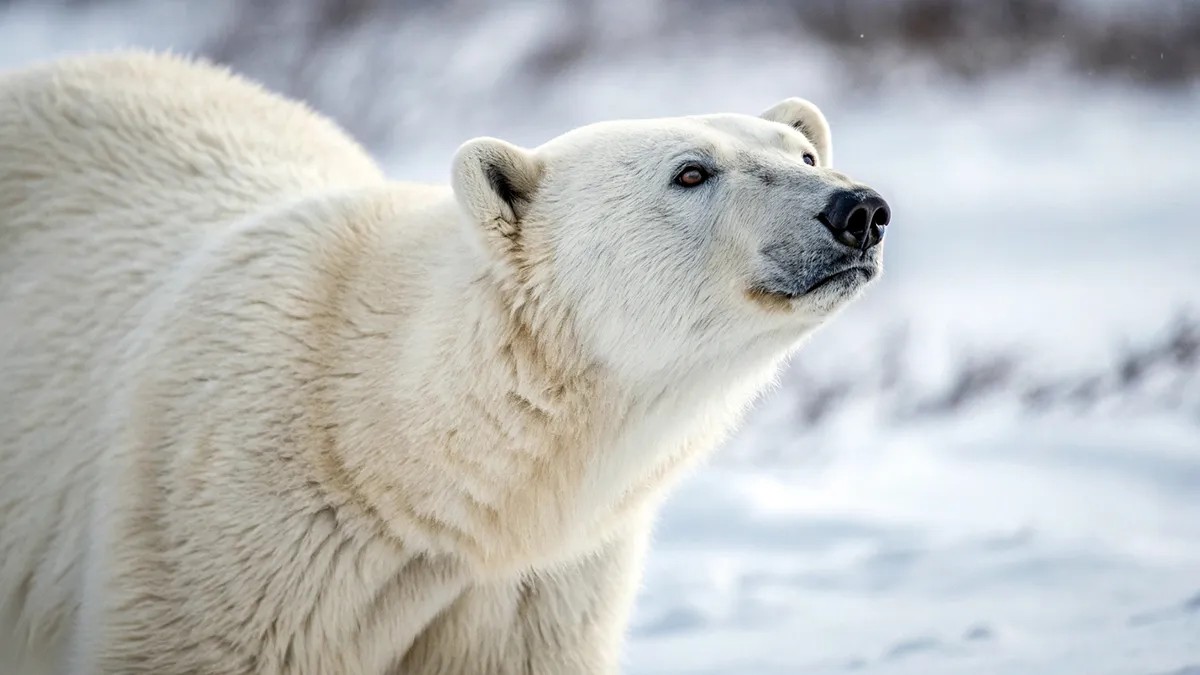
The top of the Arctic food web is dominated by tertiary consumers like polar bears. These iconic predators almost exclusively hunt seals, and their survival is directly linked to the availability of sea ice. Polar bears use the ice as a platform to ambush seals near breathing holes.
Arctic foxes also occupy this high trophic level, scavenging from larger predators and hunting small mammals and birds. Even bowhead whales, despite their massive size, are part of this web, feeding on krill and zooplankton, which connects them back to the microscopic producers at the base.
Why This Matters: The Ripple Effect of Change
The Arctic food web isn’t just a scientific curiosity; it’s a warning sign. Climate change is causing sea ice to melt at an alarming rate, disrupting the entire system. When primary producers disappear, the energy flow stops, impacting every level above them. This can lead to population declines in fish, seals, and ultimately, polar bears.
The Arctic is a bellwether for global climate change. What happens there doesn’t stay there—it affects weather patterns, sea levels, and ecosystems worldwide. Protecting this fragile food web is not only vital for Arctic wildlife but also for the health of the entire planet.