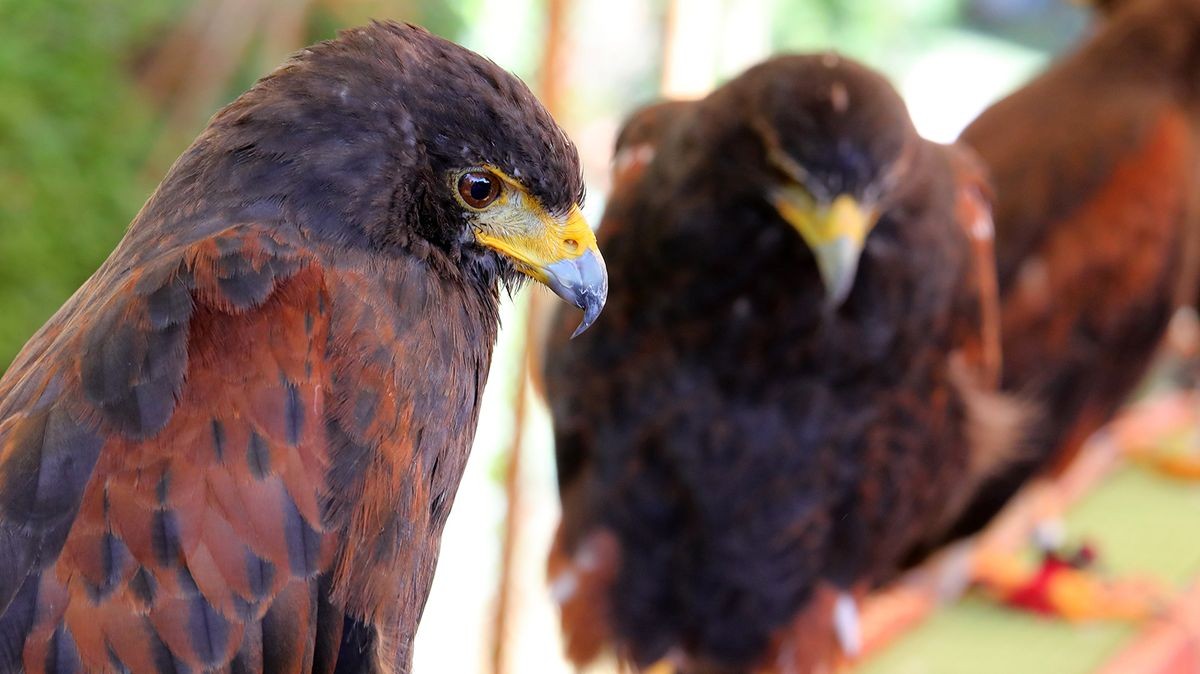
Buzzards—often confused with vultures, particularly in North America—are fascinating birds of prey whose collective names depend on their activity. A group soaring in the sky has a different designation than one feeding on the ground. Understanding these terms isn’t just trivia; it reveals how humans have observed and categorized animal behavior for centuries.
Collective Nouns Explained: Kettle, Wake, and Committee
When buzzards ride thermals, spiraling upward in warm air currents, they’re known as a kettle. This term vividly describes the swirling motion, reminiscent of steam rising from a spout. Kettles form during migration, allowing these birds to conserve energy by exploiting rising air. They can contain dozens, even hundreds, of individuals.
If buzzards gather around a carcass, the collective noun changes to a wake. This darkly evocative term acknowledges their role as scavengers, consuming dead animals. Such gatherings often include other scavengers like vultures, hyenas, and wild dogs.
Finally, when perched quietly in trees or on fenceposts, buzzards may be called a committee. This slightly whimsical term applies to vultures as well, suggesting a sense of watchful inactivity.
Ecological Role and Adaptations
Buzzards are crucial for ecosystem health. By feeding on carrion, they prevent the spread of disease and reduce the buildup of decaying matter. Their adaptations reflect this lifestyle:
- Bare skin on their heads prevents contamination while feeding.
- An acute sense of smell helps them locate carcasses from a distance.
- Long, broad wings are designed for effortless soaring.
Unlike hawks or eagles, buzzards rarely hunt live prey. They rely on smell, sight, and patience to find leftovers. Their feet and legs are adapted for walking and balance, rather than gripping struggling animals.
Buzzards in Context: Migration and Coexistence
Buzzards often share the sky with other soaring birds—hawks, eagles, storks, herons, gulls, geese, and cormorants—especially during migration. In Africa and the Americas, they may feed alongside hyenas, foxes, and other scavengers. Their presence in an ecosystem is a sign of a functioning natural cycle.
“Buzzards are essential to healthy ecosystems. By feeding on carrion, they prevent the buildup of dead animals and limit the spread of bacteria.”
Buzzards aren’t always understood or appreciated. Yet, they provide a vital service that prevents disease and maintains ecological balance. Their grouping names reflect both human observation and the birds’ own unique behaviors.
In conclusion, while seemingly a minor detail, the terminology around buzzard groupings highlights the intersection of animal behavior, human categorization, and ecological importance. Whether soaring in a kettle or feeding in a wake, these birds play a critical role in the natural world.