The United Kingdom has experienced unusually high rainfall in recent months, with some regions facing 40 consecutive days of wet weather. This sustained saturation tests the limits of even well-maintained properties, exposing weaknesses that can lead to water ingress, damp, and costly repairs. Understanding these risks and identifying early warning signs is crucial for homeowners.
The Hidden Damage of Heavy Rain
While rainfall itself may not always be the immediate cause of damage, it frequently reveals existing vulnerabilities. As Sam Fitzgerald of the Federation of Damp explains, “Heavy rain rarely causes problems on its own… What it usually does is expose weaknesses that were already there.” These can include defects in roofing, blocked gutters, failing window seals, or underlying ventilation issues.
Architectural designer Chris Lawson highlights how saturated soil can exert pressure on basement walls, causing seepage or cracks. Poorly maintained brickwork and degraded seals on windows and doors allow moisture to penetrate, leading to internal damp and structural damage. Prolonged exposure to water can weaken timber, promote mold growth, compromise insulation, and even create electrical hazards.
Identifying Water Ingress: Inside and Out
Recognizing the signs of water damage early is critical. Inside the home, look for:
- Brown water stains on ceilings and walls.
- Peeling paint or wallpaper.
- Pooling water on window sills and around skirting boards.
- Unusual musty smells.
- Sudden onset of condensation.
Outside, warning signs include:
- Sagging guttering.
- Persistent drips after rain stops.
- Dark patches on brickwork.
- Green algae growth on exterior walls.
These indicators suggest an issue that requires investigation, not just cosmetic fixes.
Repair Strategies: DIY vs. Professional Help
Some repairs can be handled by homeowners, such as resealing windows, clearing gutters, or touching up watermarks after a leak is fixed. However, more extensive issues – damaged roof tiles, soggy loft insulation, or structural cracks – are best left to qualified professionals.
The speed of response matters. “Solutions vary depending on severity: patching and resealing small leaks may suffice, while more extensive damp may require re-plastering with damp-resistant materials or installing proper drainage channels,” says Chris Lawson. Delaying repairs can escalate minor problems into major structural issues.
The Roof: Ground Zero for Water Damage
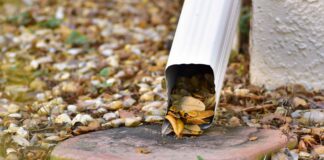
The roof is the primary point of attack during heavy rain. Property expert Phil Spencer notes, “Whenever rainwater gets into your home… it can cause a range of problems from peeling paint to damp, rot and mould.” Blocked gutters exacerbate the problem by allowing water to back up under roofing or overflow down walls, causing delayed leaks.
Older buildings are particularly susceptible, as materials like felt and tiles degrade over time. Even newer roofs can develop issues due to improper repairs or storm damage. If you notice leaks, prompt action is essential.
Emergency Response: Minimizing Further Damage
If you discover a leak:
- Move belongings away from the affected area. Caution: avoid disturbing wet insulation without proper protective equipment.
- Contain the water using buckets, pans, or containers.
- Document the damage with photos or videos for insurance claims.
Ignoring a leak can lead to structural problems and reduce your home’s value. A quick assessment by a qualified tradesperson can prevent long-term complications.
Ultimately, proactive maintenance and prompt repairs are the most effective defense against water damage. While some leaks may not require full roof replacement, failing to address them can lead to costly and potentially irreversible consequences.