


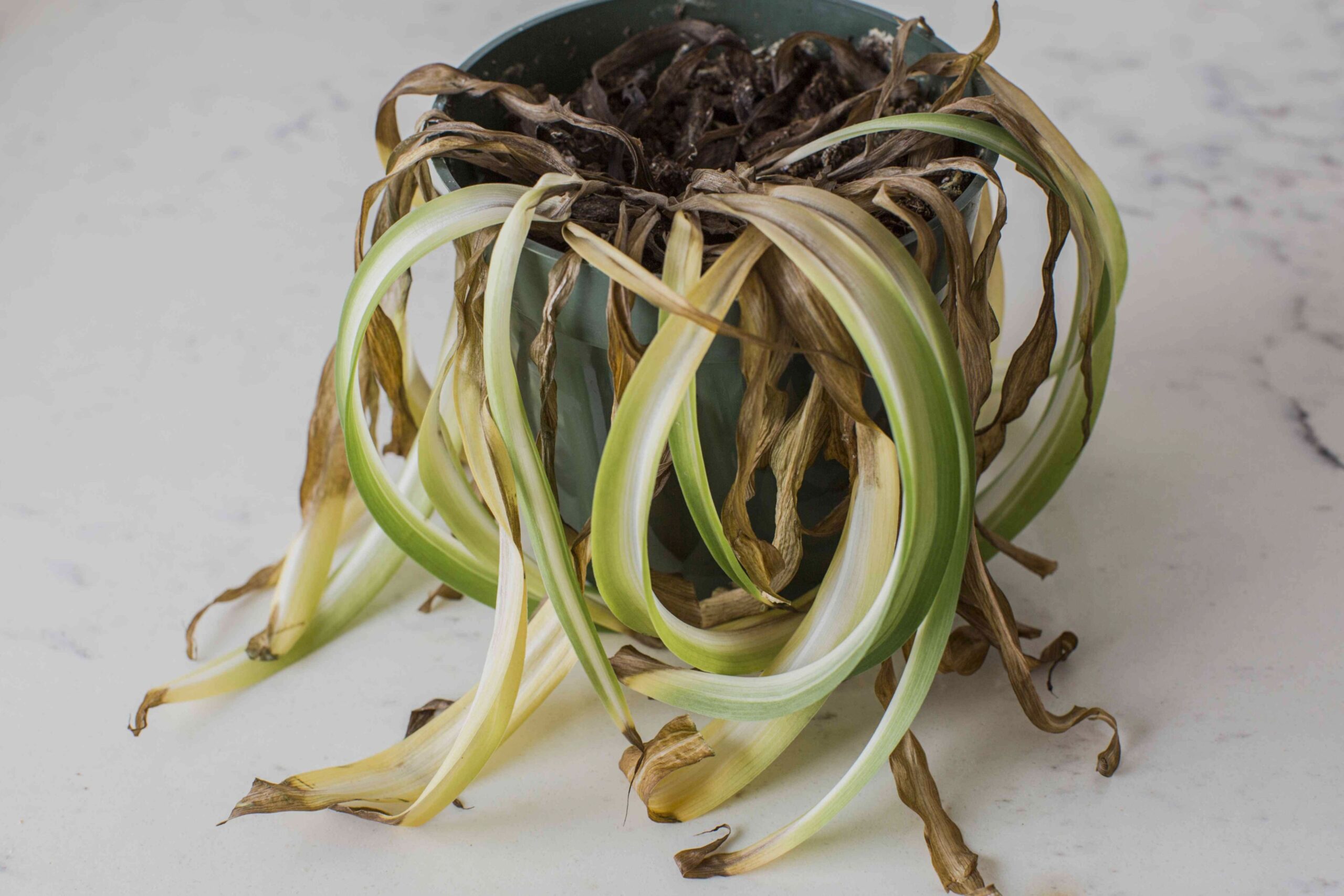
Many houseplant owners face the same frustrating scenario: a once-thriving plant begins to decline, with leaves yellowing, browning, or dropping altogether. While some plants may be beyond recovery, often the situation is salvageable with the right approach. This guide outlines common signs of plant distress and provides actionable steps to revive struggling houseplants.
Recognizing the Signs of a Struggling Plant
The first step is accurate diagnosis. Panic can lead to missteps, but understanding key indicators will help you take targeted action.
- Yellowing Leaves: Often signals improper watering (too much or too little), though older leaves naturally yellow and drop as part of the plant’s life cycle.
- Brown or Curling Leaves: Typically indicates underwatering, but can also be caused by pest infestations.
- Broken or Rotten Roots: Damaged roots prevent nutrient uptake; trimming away affected areas can promote new growth.
- Squishy Leaves: Suggests temperature stress. Healthy leaves should be firm and vibrant, not soft or limp.
- Pests: Infestations can weaken plants quickly. Identifying the pest is crucial for effective treatment.
Effective Revival Techniques
Once you’ve identified the problem, implement these strategies to give your plant the best chance of recovery.
- Pinpoint the Root Cause: Accurate diagnosis is the foundation of successful revival. Assess all visible signs before making changes.
- Adjust Watering Habits: Rigid watering schedules often fail. Instead, check soil moisture levels and water only when the plant truly needs it. Overwatering is a common killer.
- Optimize Light Exposure: Many houseplants suffer from improper lighting. Research the specific light requirements of your plant and adjust its location accordingly.
- Perform Root Triage: Gently excavate the plant (if manageable) to inspect the root system. Trim away any rotten or damaged roots, and provide extra care during regeneration.
- Consider Dormancy: Some plants enter dormancy during colder months, appearing lifeless while conserving energy. Assess root health: firm, plump roots indicate a dormant, not dead, plant.
Distinguishing Between Dormancy and Death
A critical mistake is assuming a dormant plant is dead. Many species enter a period of reduced activity during seasonal changes. Proper identification avoids unnecessary disposal.
Dormancy is a natural survival mechanism, not a sign of failure. Evaluating root health is the most reliable indicator.
Preventing Future Plant Struggles
Long-term success comes from proactive care. Avoid common pitfalls by following these tips:
- Holistic Assessment: Don’t overreact to isolated issues. Evaluate the plant as a whole before taking action. One yellow leaf doesn’t necessarily mean the entire plant is dying.
- Pest Control: Early detection and treatment of infestations are key. Identify pests accurately and implement appropriate solutions.
- Prevent Root Rot: Overwatering can lead to irreversible root damage. Allow soil to dry between waterings and avoid waterlogged conditions.
- Choose the Right Plant: Not all plants are created equal. Selecting species suited to your skill level and environment significantly increases success rates.
Ultimately, reviving a struggling houseplant requires observation, adaptation, and a willingness to learn. By addressing the underlying issues and providing consistent care, even seemingly hopeless cases can often be brought back to health.


