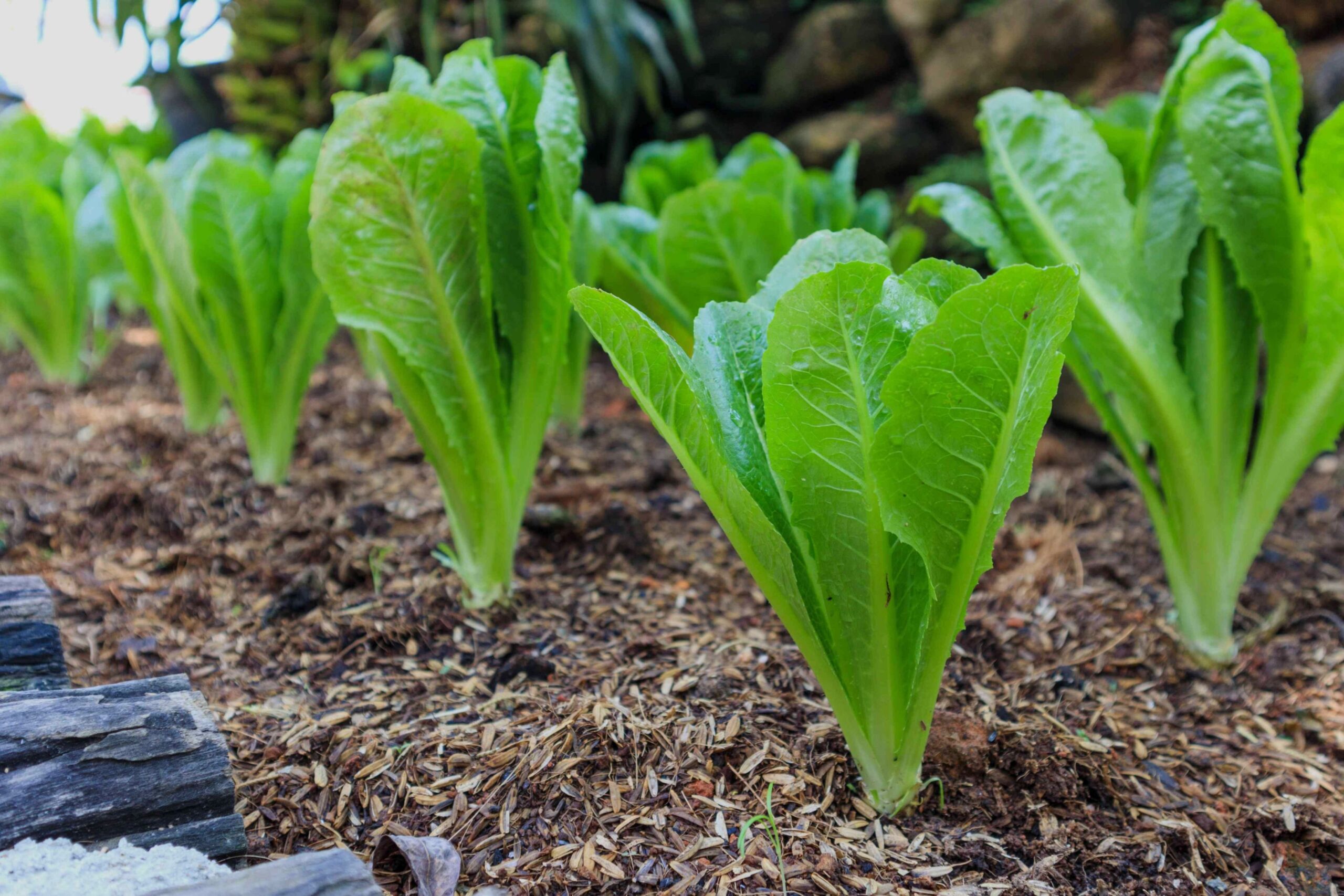
Starting vegetables from seed indoors in February can significantly improve your garden’s productivity and save you money compared to buying seedlings. Many plants benefit from an early start, especially those sensitive to heat or vulnerable to weeds during initial growth. This guide details ten vegetables that thrive when started indoors, including optimal sowing and transplanting times.
Why Start Seeds Indoors?
Direct sowing seeds outdoors can lead to several challenges. Young seedlings compete with weeds, increasing the risk of accidental damage during weeding. Starting indoors gives plants a head start, allowing them to establish stronger roots before facing outdoor conditions.
This is especially crucial for vegetables that bolt quickly in warm weather or mature slowly. Timing is key: starting too early can result in leggy, weak plants, while starting too late defeats the purpose of an early advantage.
The 10 Best Vegetables to Start Indoors
Lettuce
Lettuce benefits from indoor starting to avoid weed competition, which can easily damage seedlings. Sow seeds five weeks before your region’s last spring frost. Transplant two weeks before the last frost after a week of hardening off.
Why it matters: Lettuce bolts in heat, so an early start ensures harvest before the worst of the summer.
Broccoli
Broccoli is slow to mature and doesn’t tolerate hot weather well. Start seeds indoors six to eight weeks before the last frost. Transplant two to three weeks before, using row covers for protection if needed.
Why it matters: Broccoli needs a long, cool growing season. Indoor starting maximizes yield.
Cauliflower
Related to broccoli, cauliflower also thrives with an indoor head start. Sow seeds a week or two earlier than broccoli, and transplant two to three weeks before the last frost. Protect against cold snaps with row covers.
Why it matters: Cauliflower is even more sensitive to heat than broccoli.
Cabbage
Another cold-weather crop, cabbage benefits from early indoor sowing. Start seeds six to eight weeks before the last frost, harden them off, and transplant two to three weeks before the last frost.
Why it matters: Cabbage matures slowly and prefers cool temperatures.
Peas
Peas dislike hot weather and tolerate cold well. Sow indoors in February and transplant as soon as the soil is workable.
Why it matters: Peas are one of the earliest crops to mature, making them ideal for an early start.
Chives
Chives can be harvested even before transplanting outdoors. Plant in February and trim regularly for salads. Harden off for ten days before transplanting two to three weeks before the last frost.
Why it matters: Chives are fast-growing and provide early-season flavor.
Kale
Start kale seeds indoors six weeks before the last frost. Harden off, then transplant two to three weeks before the last frost.
Why it matters: Kale thrives in cool weather and benefits from a longer growing season.
Spinach
Spinach is frost-tolerant and dislikes heat, making it ideal for indoor starting. Sow seeds six weeks before the last frost, and transplant four weeks before the last frost.
Why it matters: Spinach matures quickly, so an early start maximizes yield before summer heat.
Kohlrabi
Kohlrabi, a cabbage family member, benefits from beating the heat. Sow seeds four to six weeks before the last frost, harden off, and transplant two to four weeks before the last frost.
Why it matters: Kohlrabi is a quick-growing crop that yields both leaves and bulbs.
Onions
Onions are best started indoors for an early harvest. Sow seeds indoors eight to ten weeks before the last frost. Transplant when seedlings are at least six inches tall.
Why it matters: Onions require a long growing season, and indoor starting ensures they reach maturity before extreme temperatures set in.
Starting seeds indoors in February is a proactive step toward a more productive and cost-effective garden. By carefully timing sowing and transplanting, you can maximize your yields and enjoy fresh vegetables sooner.