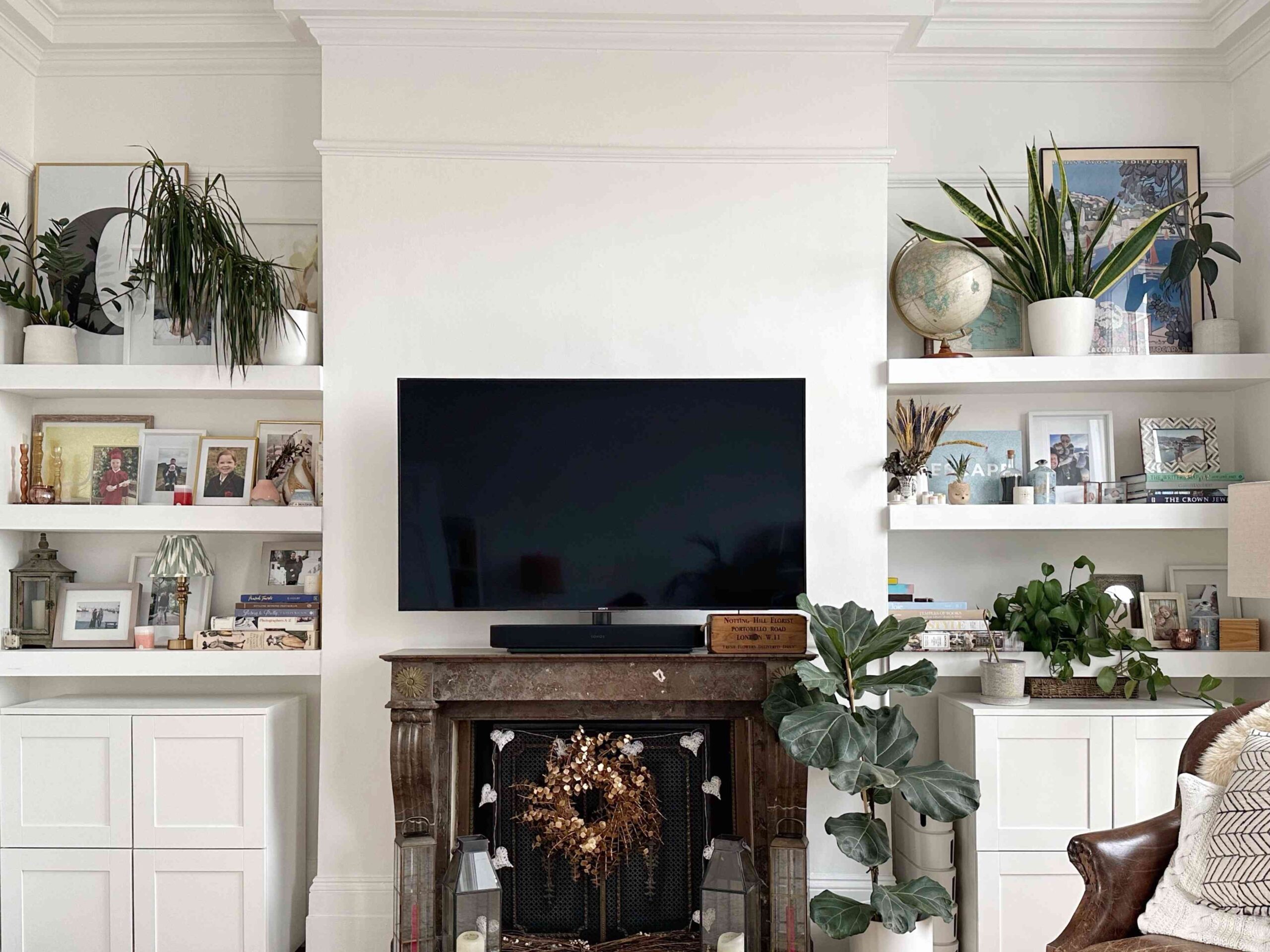
The concept of recluttering —intentionally adding to, rather than removing from, possessions—may sound counterintuitive in a world saturated with minimalism. Yet, a growing trend suggests that carefully curated “clutter” can breathe life into living spaces. This isn’t about haphazard accumulation; it’s about giving cherished items the prominence they deserve, rather than relegating them to storage.
The Rise of Cluttercore
The idea behind recluttering, sometimes called cluttercore, challenges the notion that less is always more. It’s a shift toward maximalism, where objects are displayed not just for utility, but for aesthetic impact. Many people find themselves regretting donations or giveaways, wishing they’d kept items they later needed or simply enjoyed. This trend recognizes the emotional value of possessions and the desire to surround oneself with things that bring joy.
A Controlled Experiment
To test the concept, the author focused recluttering efforts on built-in shelves flanking a TV and fireplace. This contained approach was strategic; a whole-room overhaul felt too daunting. The shelves had previously held family photos and a few coffee table books, leaving vertical space underutilized. The goal was to fill these gaps with meaningful objects, not just for the sake of filling them, but to create a deliberate and visually rich arrangement.
From Empty Spaces to Intentional Displays
The key was repurposing items already owned but typically stored away. The author turned to a collection of tablescape decor, starting with houseplants to create a sense of life and intention. The addition of bud vases—including one aligning with the current “unexpected red theory” trend—and coffee table books immediately elevated the display. This wasn’t about adding random objects; it was about showcasing pieces that were previously hidden.
The Benefits of a Full Display
The experiment revealed that recluttering isn’t about creating chaos; it’s about freeing up space in cabinets and making cherished items visible. Glass candlesticks, votive holders, and even a decorative match striker—all previously tucked away—found a new home on the shelves. The result was a fuller, more stylized arrangement that felt intentional rather than cluttered.
The author concludes that recluttering is less about adding clutter and more about creating a home that reflects personal joy and style.
Ultimately, the trend is about embracing the things that matter most, rather than hiding them away. It’s a reminder that a home should feel lived-in and filled with objects that tell a story—even if your spellcheck disagrees.