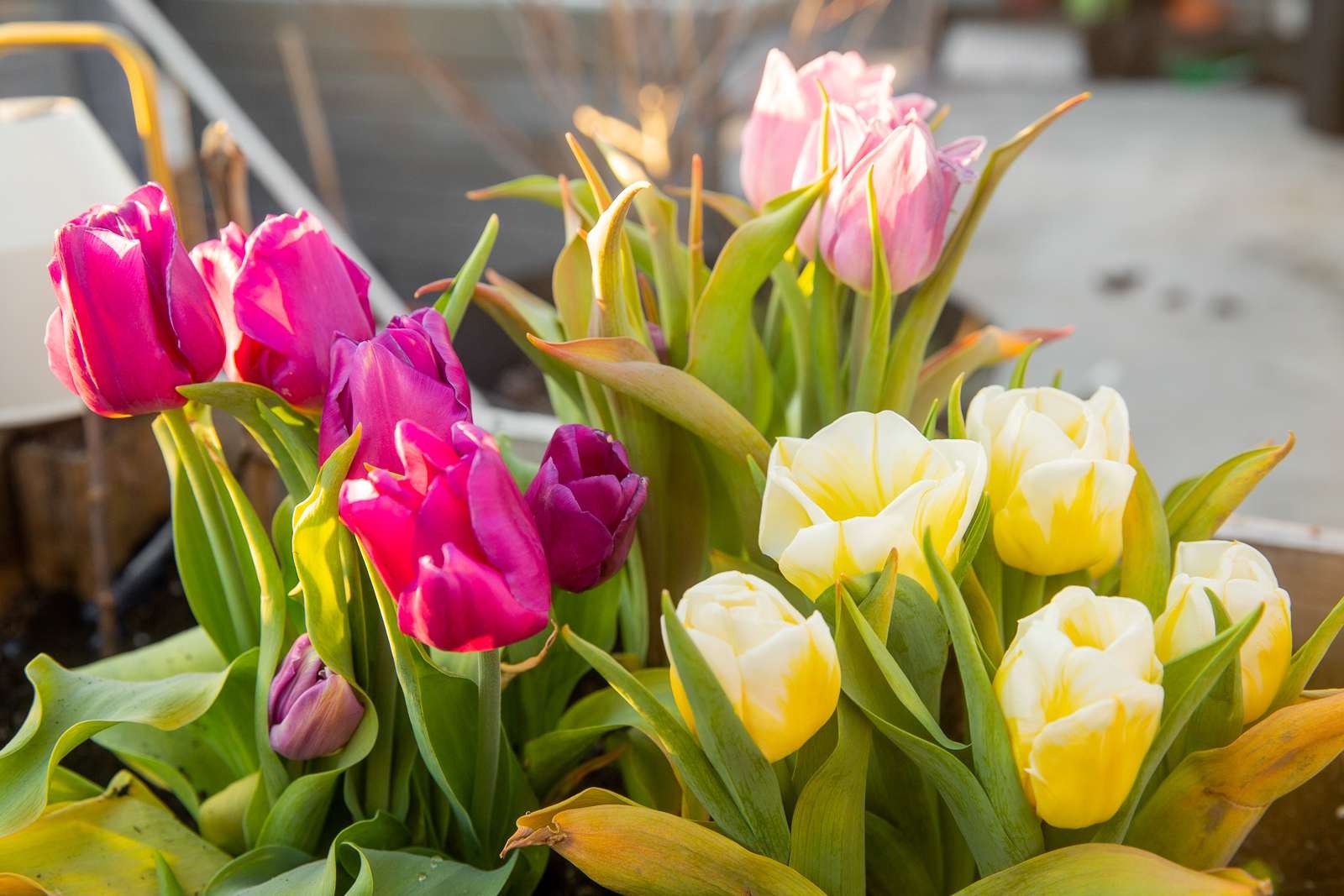
Gardeners eager to get a head start on warmer weather can begin preparing their outdoor spaces now. Experts suggest a series of tasks that, while weather-dependent, can streamline the transition to spring.
Planning and Inspiration
Indoor time during colder months can be used to organize gardening plans. Megan Foster of American Meadows recommends reviewing photos from past seasons to identify successes and areas for improvement. This involves assessing bloom sequences, color palettes, and texture variations for the coming year. Having a visual reference simplifies decision-making when shopping or seeking inspiration.
Pre-Season Sales: Securing Rare Finds
Early bird sales at gardening retailers offer opportunities to purchase hard-to-find plants before they sell out. Lauren Carvalho of High Country Gardens suggests using this time to acquire specialty items that may be in limited supply. This proactive approach ensures access to desired plants that often become scarce later in the season.
Pruning for Optimal Form
Winter is an ideal time to prune trees and shrubs without the distraction of foliage. Without leaves, the structure becomes clearer, making it easier to identify and remove unwanted branches. Delaying pruning during the growing season can make this task more difficult.
Cleaning and Maintaining Tools & Containers
Empty planters and containers should be thoroughly cleaned and sanitized to provide a fresh start for new designs. Simultaneously, gardening tools require maintenance: cleaning, sharpening, and oiling ensure they’re ready for use. A well-maintained toolkit streamlines yard work.
Stocking Up on Essentials
Assess and replace essential gardening supplies, regardless of sales. Carvalho highlights the importance of items like pick axes, work gloves, and high-quality hoses with shutoff valves for water control. Foster adds that a comfortable spade is invaluable for expanding and re-edging garden beds.
The Benefit of Leaving Leaves
Avoid premature cleanup: fallen leaves act as natural mulch, protecting plants from late frosts. They also provide shelter for wildlife during colder months. Wait until a diverse mix of local bees and other flying insects emerge before cleaning up, ensuring minimal disruption to natural ecosystems. Designated unraked areas can serve as nesting grounds for native ground bees.
Conclusion
Preparing your garden now doesn’t mean rushing into spring; it means making the most of the in-between time. By organizing plans, securing supplies, maintaining tools, and respecting natural cycles, gardeners can ensure a smoother, more rewarding season ahead. 🪴