
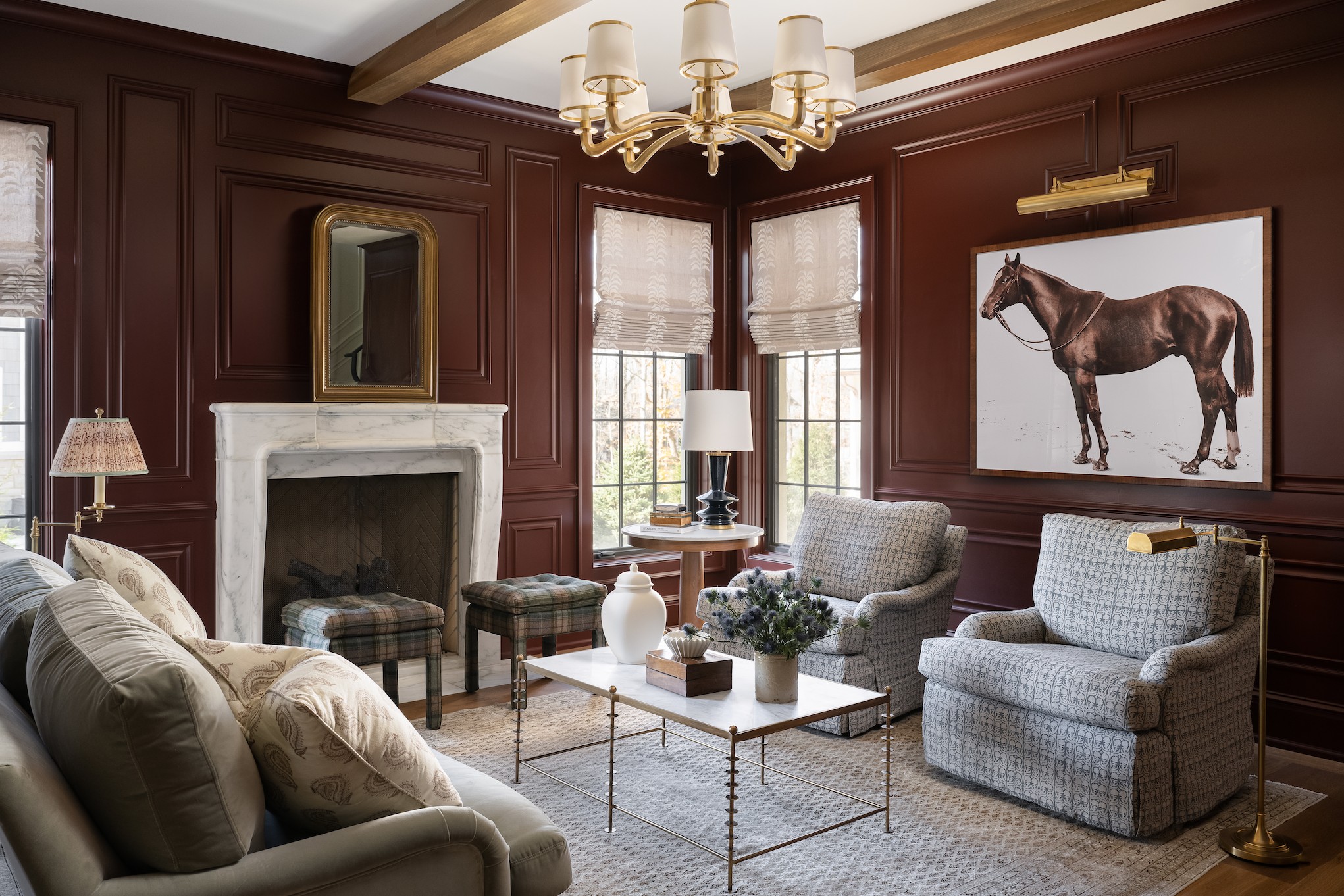
As 2026 unfolds, a significant shift is taking place in home design: a deliberate move away from rigid trends and toward uniquely personal, secondhand-driven interiors. This isn’t just a fleeting aesthetic choice; it’s a response to the growing saturation of AI-generated and mass-produced decor, with homeowners actively seeking spaces that feel lived-in, authentic, and distinctly human.
Why Now? The Rejection of Perfection
For years, interior design has cycled through defined styles – farmhouse chic, sterile minimalism, mid-century modern. But according to interior designer Stephanie Calderon, this is changing. The demand for individuality is pushing consumers toward thrifting and vintage finds.
The core driver is simple: people are tired of cookie-cutter homes. As AI makes design more efficient, it also risks erasing personality. The backlash? An embrace of imperfection, character, and the stories embedded in secondhand pieces. This isn’t just about sustainability; it’s about reclaiming a sense of ownership and rejecting the pressure to conform.
The Practicalities of Secondhand Shopping
The appeal is clear, but thrifting isn’t always intuitive. It requires a different mindset than browsing curated retail stores. Calderon suggests approaching secondhand shopping with intent.
- Know your style: Have a general idea of what you’re looking for, whether it’s lighting, furniture, or decorative accents.
- Inspiration is key: Use reference images to guide your eye. What colors, textures, or shapes consistently catch your attention?
- Embrace the hunt: Thrift stores and antique malls are unpredictable. Sometimes the magic lies in unexpected discoveries.
Making it Work: Cohesion in Imperfection
The biggest challenge with secondhand decor is making it feel intentional rather than random. The key is balance. If a piece has strong character (e.g., a heavily distressed vintage chair), let it stand out while keeping surrounding elements neutral.
Calderon advises looking for common threads – scale, tone, or material – to tie disparate pieces together. A well-placed vintage rug can ground an otherwise eclectic space, while a cohesive color palette can unify mismatched furniture.
“Vintage items don’t feel random when done well; they feel intentional, layered, and collected over time.”
The Future of Home Design
The shift toward secondhand decor is more than just a trend. It represents a deeper desire for authenticity in an increasingly artificial world. By slowing down, embracing imperfection, and curating personal collections, homeowners are redefining what it means to create a space that truly feels like home. This movement suggests that in 2026, and beyond, the most stylish homes won’t be the most perfect ones – they’ll be the ones that tell a story.