Decorative elements aren’t just about how a space looks ; they fundamentally change how people move, feel, and act within it. From air currents to sound absorption, colors to furniture, every design choice impacts the physics of a room and, consequently, its occupants. Understanding this isn’t just interior design theory; it’s core to building performance and user experience.
The Hidden Functionality of Decoration
Often treated as visual flair, decorative elements become integral to a building’s environmental control system. They subtly alter temperature perception, sound propagation, lighting, and airflow. This isn’t speculation — a heavy curtain reduces drafts, a textured wall scatters noise, and dark ceilings shrink a room visually. These aren’t merely aesthetic decisions; they’re functional interventions.
How Color Manipulates Perception
Color is one of the most immediate ways design influences behavior.
- Warm tones (reds, yellows, oranges) make spaces feel warmer and closer, useful in colder climates to enhance comfort.
- Cool colors (blues, greens) create a sense of spaciousness and coolness, ideal for warmer regions.
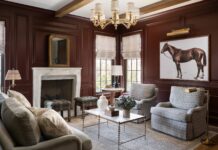
- Dark shades make rooms feel smaller and more intimate by reducing light reflection.
- Light colors reflect light, fostering openness and improving visual comfort.
These choices aren’t arbitrary; they directly affect how people experience the environment.
Furniture as an Invisible Traffic Guide
Furniture arrangement isn’t just about style; it dictates circulation. Sofas guide movement around perimeters, tables create obstacles or define paths, and even a console table can alter how people navigate a hallway. This is essentially internal traffic design.
Window Treatments: More Than Just Privacy
Curtains, blinds, and drapes influence air and light dynamics. Heavy curtains block drafts, while sheer ones allow airflow with filtered sunlight. Textile treatments soften sound by absorbing reflections, making them miniature climate and acoustic control devices.
Lighting Shapes Mood and Activity
Lighting fixtures impact behavior. Warm lighting promotes relaxation, while cooler tones enhance focus. Accent lighting highlights features but can create shadows that alter movement patterns. Decorative lamps aren’t just accents; they’re behavioral cues.
Textures: Acoustics and Visual Perception
Wall textures change how sound travels. Smooth surfaces amplify echoes, making spaces lively but noisy. Rough or textured finishes scatter sound, creating calmer environments. Vertical grooves draw the eye upward, increasing perceived height, while horizontal patterns broaden a room visually.
Partitions: Airflow and Privacy Control
Decorative partitions (screens, jalis) modify airflow, sightlines, sound transmission, and light penetration. Open partitions allow ventilation with partial privacy, while solid ones isolate spaces. Perforated designs offer controlled ventilation and filtered light.
Plants as Micro-Climate Modifiers
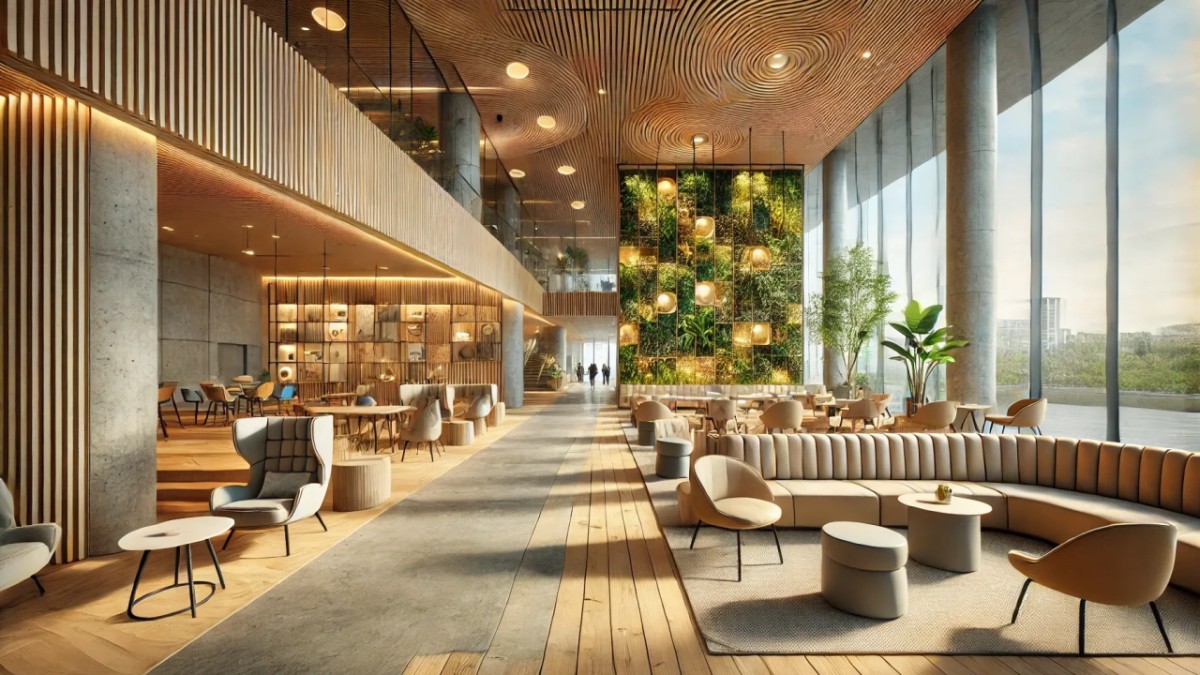
Plants stabilize humidity, slow airflow, and reduce drafts. They absorb minor pollutants and improve visual relaxation, guiding movement and smoothing transitions between indoor and outdoor spaces.
Ceilings: Airflow and Noise Management
Ceiling profiles influence vertical airflow, temperature stratification, and noise reflection. Deep ceilings trap warm air, reducing cooling efficiency, while coved lighting softens glare. Ceilings aren’t just aesthetic; they directly shape environmental performance.
Carpets, Rugs, and Thermal Comfort
Carpets absorb sound, reducing noise transmission between floors. They also influence temperature perception by reducing heat loss. Rugs define activity zones, guide movement, reduce noise, and improve thermal comfort during winter.
Materials and Perceived Temperature
Surface materials affect comfort. Stone and concrete floors absorb heat, feeling cool underfoot, while wood and laminate feel warmer and respond faster to temperature changes. This impacts comfort regardless of HVAC performance.
Artwork and Psychological Boundaries
Artwork draws attention, redirects movement, modifies perceived spaciousness, and creates psychological boundaries. Large pieces anchor a space visually, while scattered ones create flow.
Decorative elements aren’t just visual additions; they are fundamental to how we experience and interact with built environments. Recognizing this interplay between aesthetics and functionality is crucial for designers and engineers striving to optimize building performance and user well-being. The seemingly simple act of choosing a color, texture, or furniture arrangement has measurable effects on our physical and psychological experience within a space.