
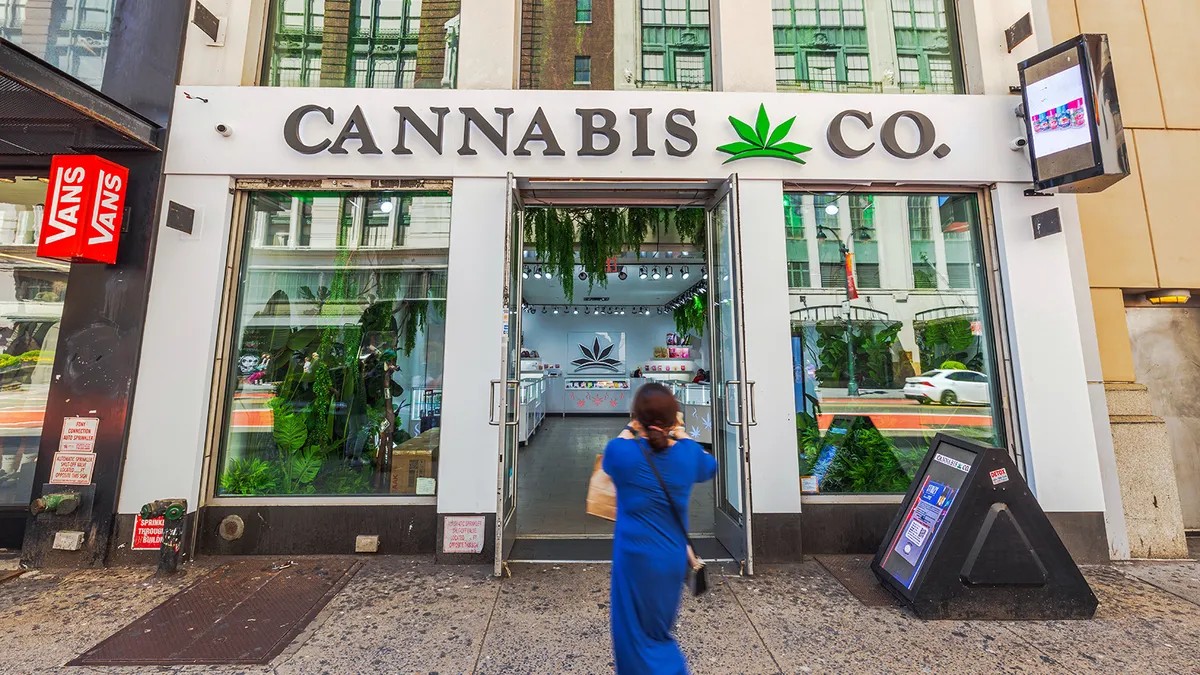
Despite federal prohibition, the legal landscape for cannabis varies dramatically from state to state. Some jurisdictions have embraced both recreational and medical use, creating accessible markets for consumers and patients alike. This article highlights the states with the most permissive cannabis laws, combining recreational access, strong medical programs, and reasonable possession limits.
States with Full Legalization
These states allow both recreational and medical cannabis, offering the widest access to users.
California
California pioneered legal medical cannabis and now fully embraces recreational use for adults aged 21+. The state permits possession of up to one ounce of cannabis, personal cultivation, and a robust market for both medical and recreational products. California’s early legalization has set the stage for a mature, consumer-driven market.
Nevada
Nevada’s approach prioritizes tourism and accessibility. Recreational use is legal, dispensaries are common, and possession limits are clearly defined. Medical cannabis is also available for qualifying patients, making Nevada a popular destination for cannabis users. The state’s focus on tourism has driven significant economic activity within the industry.
New Mexico
New Mexico has emerged as a progressive state in cannabis policy. Recreational use is legal, home cultivation is permitted, and the state’s medical cannabis program is well-established. New Mexico emphasizes regulation over punishment, creating a relatively open market.
New York
New York legalized recreational cannabis in phases, but now allows statewide possession and adult use. Medical cannabis laws remain active, and limited home cultivation is permitted. The rollout has been slow, but New York’s legalization has expanded access for millions of residents.
States with Medical Cannabis Access
Several states prioritize medical access while maintaining restrictions on recreational use.
Florida
Florida’s medical cannabis program is expanding rapidly, but recreational use remains illegal. Qualifying patients can access medicinal marijuana under strict regulations. Florida’s growth in medical cannabis is driven by a large population and easing restrictions.
Utah
Utah legalized medical cannabis in 2018, but the program remains conservative. Access is limited to specific conditions, and recreational use is prohibited. Utah’s program is tightly controlled, reflecting the state’s cultural conservatism.
Louisiana
Louisiana allows medical cannabis for qualifying patients, but recreational use is illegal. The state’s program is relatively new, and access is still developing. Louisiana’s medical market is growing, driven by patient demand.
Kentucky
Kentucky legalized medical cannabis in 2023, providing access to patients with severe conditions. Recreational use remains prohibited. The state’s move toward medical cannabis reflects a broader trend in conservative states.
West Virginia
West Virginia has a medical cannabis program, but recreational use is illegal. The state’s market is still developing, with limited access for patients. West Virginia’s program faces challenges due to regulatory hurdles and infrastructure limitations.
Why This Matters
The divergence in state cannabis laws highlights a significant trend: federal prohibition clashes with evolving public acceptance. These states have chosen to prioritize individual freedom, economic opportunity, or patient access over federal restrictions. This creates legal ambiguities and challenges, but also drives innovation and market growth. The continued expansion of legal cannabis at the state level puts increasing pressure on the federal government to reconsider its stance.
In conclusion, the states listed above represent the forefront of cannabis legalization in the US. Whether through full recreational access or expanding medical programs, these jurisdictions demonstrate a clear shift in policy toward greater freedom and economic benefit.