
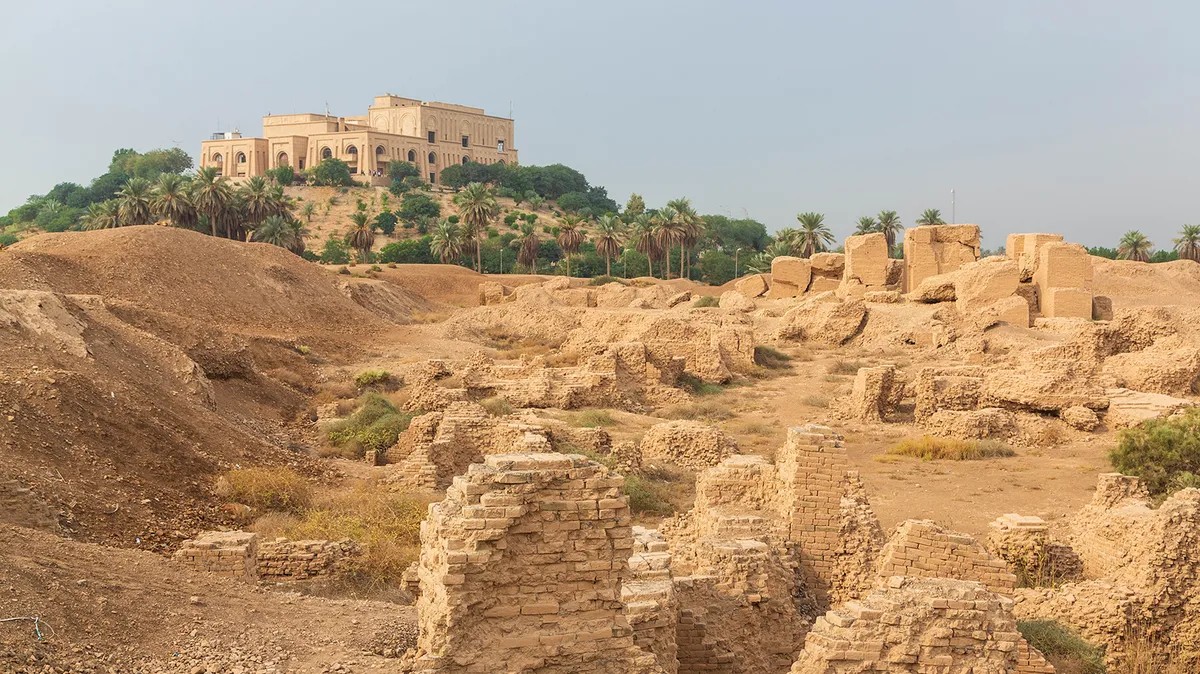
Babylon, once the most magnificent city in the ancient world, did not vanish overnight. Its decline was a slow burn fueled by internal rot, weak leadership, religious upheaval, and ultimately, a masterful military campaign. The story of its fall is not just a historical event; it’s a case study in how empires crumble from within.
The Rise of Babylon
The Babylonian Empire, reaching its zenith under Nebuchadnezzar II, dominated Mesopotamia and beyond. This was the empire that conquered Jerusalem, sending the Jewish population into exile – a pivotal moment in biblical history. The Neo-Babylonian Empire, built on the foundations laid by its predecessors, became synonymous with wealth, culture, and devotion to deities like Marduk and Sin.
Cracks in the Foundation
Beneath the surface of grandeur, problems festered. After Nebuchadnezzar II’s death, a succession of weak rulers took the throne. King Nabonidus, in particular, alienated the priesthood by elevating the moon god Sin over Marduk, Babylon’s chief deity. This wasn’t just a theological dispute; it was a direct challenge to the city’s religious and political power structure. Nabonidus spent years away from Babylon, leaving control to his son, Belshazzar, whose infamous feast and desecration of sacred temple vessels are immortalized in the Bible.
The Writing on the Wall
The story of Belshazzar is key. During a lavish banquet, he used vessels looted from Jerusalem. The prophet Daniel interpreted a mysterious inscription – “Mene, Mene, Tekel, Upharsin” – as divine judgment: Babylon would fall. This wasn’t just folklore; religious tensions and unrest were already eroding the empire’s stability. The shift in worship practices angered both the populace and the priesthood, creating a fatal disconnect between the rulers and their people.
The Persian Invasion: A Calculated Strike
In 539 BCE, Cyrus the Great of the Achaemenid Empire launched his invasion. Rather than a brutal siege, Cyrus exploited internal discontent and used a clever tactic : diverting the Euphrates River to enter the city undetected. Greek historian Herodotus and Eastern texts confirm that Babylon fell in a single night. The Cyrus Cylinder, an archaeological treasure, reveals that Cyrus was welcomed by many Babylonians because he promised to respect their customs and deities.
Beyond Conquest: A Shift in Power
Babylon didn’t disappear after the conquest. It remained a regional capital under Persian rule. Cyrus allowed Jewish exiles to return to Jerusalem, an act recorded in both the Bible and his own Cylinder. The city’s temples continued to function, though they eventually fell into neglect. The Babylonian Empire had become a province within a larger, more resilient world order.
A Symbol of Pride and Corruption
The fall of Babylon resonates deeply in religious texts. Isaiah and John in the Bible both used Babylon as a symbol of corruption and hubris. Revelation describes its destruction as sudden and total. The story is not merely historical; it’s a moral warning about the consequences of arrogance and spiritual decay.
The collapse of Babylon serves as a stark reminder that even the most powerful empires are vulnerable to internal weakness, religious strife, and the calculated ambition of rivals. Its fall wasn’t just a military event; it was a cultural, religious, and political reckoning. The lessons of Babylon endure as a cautionary tale for leaders and societies alike.