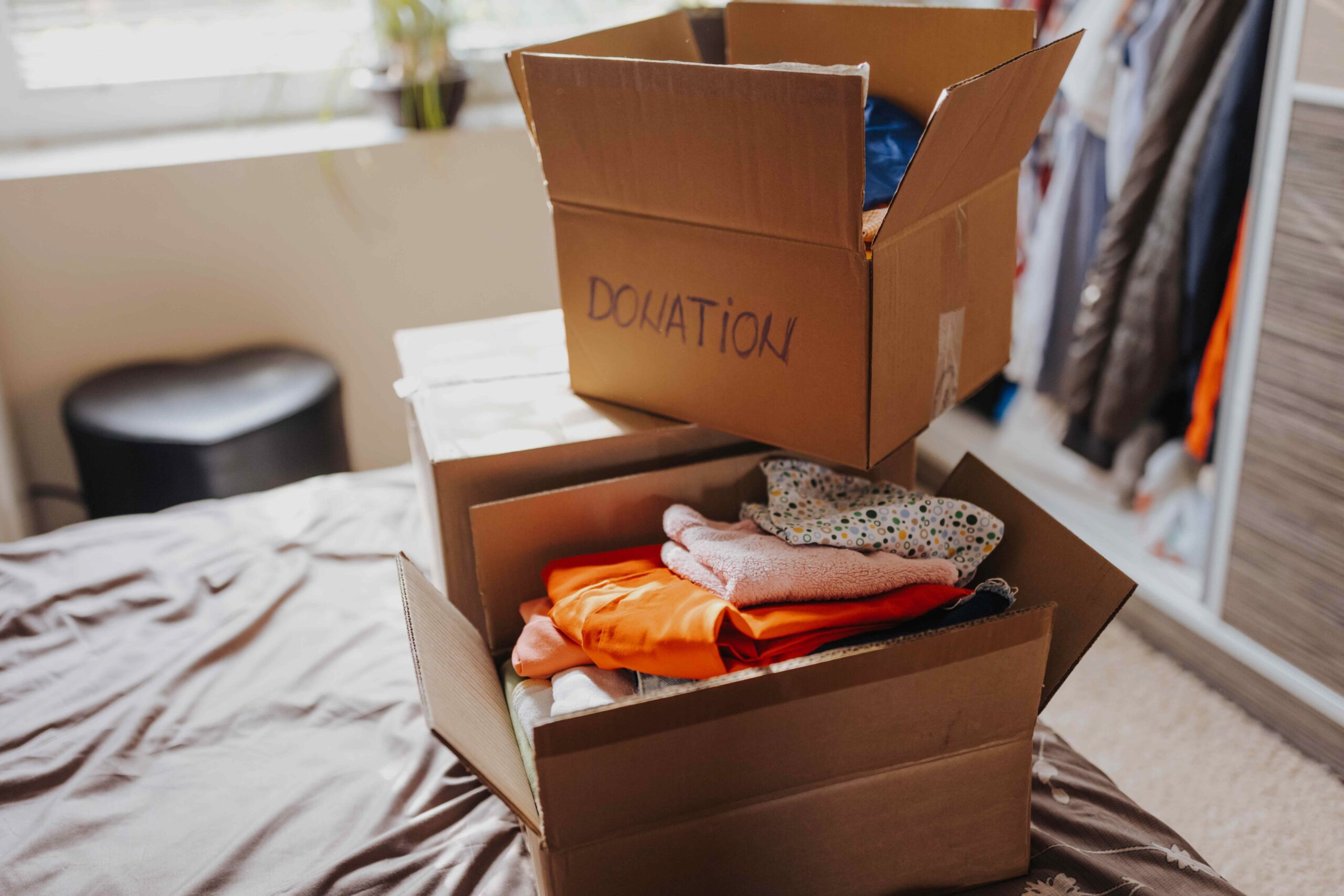
Many people donate unwanted items to thrift stores hoping to declutter and support their communities. However, not everything is accepted. Thrift stores routinely discard certain donations due to safety, hygiene, or practical reasons. Here’s a breakdown of seven common items that thrift stores reject, why, and how to dispose of them responsibly.
Unusable Knives: Safety Concerns
Thrift stores often refuse knives, including kitchen knives and pocket knives, because they pose a potential safety risk. Some stores fear these items could be misused as weapons and simply dispose of them. If you have knives to donate, call ahead to confirm if the store accepts them. Otherwise, offer them to family or friends who cook, or sell them online.
Car Seats and Strollers: Recalls and Liability
Car seats and strollers are frequently rejected due to frequent recalls and evolving safety standards. Thrift stores don’t want to sell items that could endanger a child. Instead of donating, recycle these items at designated facilities or give them to friends or family with children who meet the size requirements. Some charities may also accept them for demonstration purposes.
Used Cosmetics and Skincare: Hygiene Risks
Partially used makeup and skincare products are not resold due to hygiene concerns. Thrift stores cannot verify the age or condition of used cosmetics, and selling them poses a health risk. Upcycle the packaging instead: repurpose glass jars as coin holders, candle containers, or decorative items.
Bike Helmets: Outdated Safety Standards
Bike helmets are typically discarded unless they are new in the box. Outdated or damaged helmets may not provide adequate protection. Donate to community bike repair programs or cycling advocacy groups that can verify the helmets’ safety standards. Otherwise, dispose of them responsibly.
Reusable Grocery Bags: Overabundance
Thrift stores receive a surplus of reusable grocery bags, often used to package donations. They are difficult to sell and contribute to clutter. Keep these bags for your own use or donate them directly to a grocery store that may accept them.
Broken Mirrors: Safety Hazards
Broken mirrors, even with minor cracks, are rejected due to safety concerns and superstition. Shards of glass pose a hazard, and cracked mirrors are generally unsellable. Attempt to repair the mirror if possible, or upcycle the fragments into mosaics or other crafts.
Vacuum Cleaners: Poor Condition
Many donated vacuum cleaners are in poor working condition: clogged, broken, or missing attachments. Thrift stores avoid selling malfunctioning appliances. Unless your vacuum is new in packaging, avoid donating it. Dispose of it properly or consider repair options before discarding it.
In conclusion, while thrift stores provide valuable community services, they have strict standards for donations. Understanding these limitations allows you to dispose of unwanted items responsibly, whether through recycling, upcycling, or alternative donation channels.