
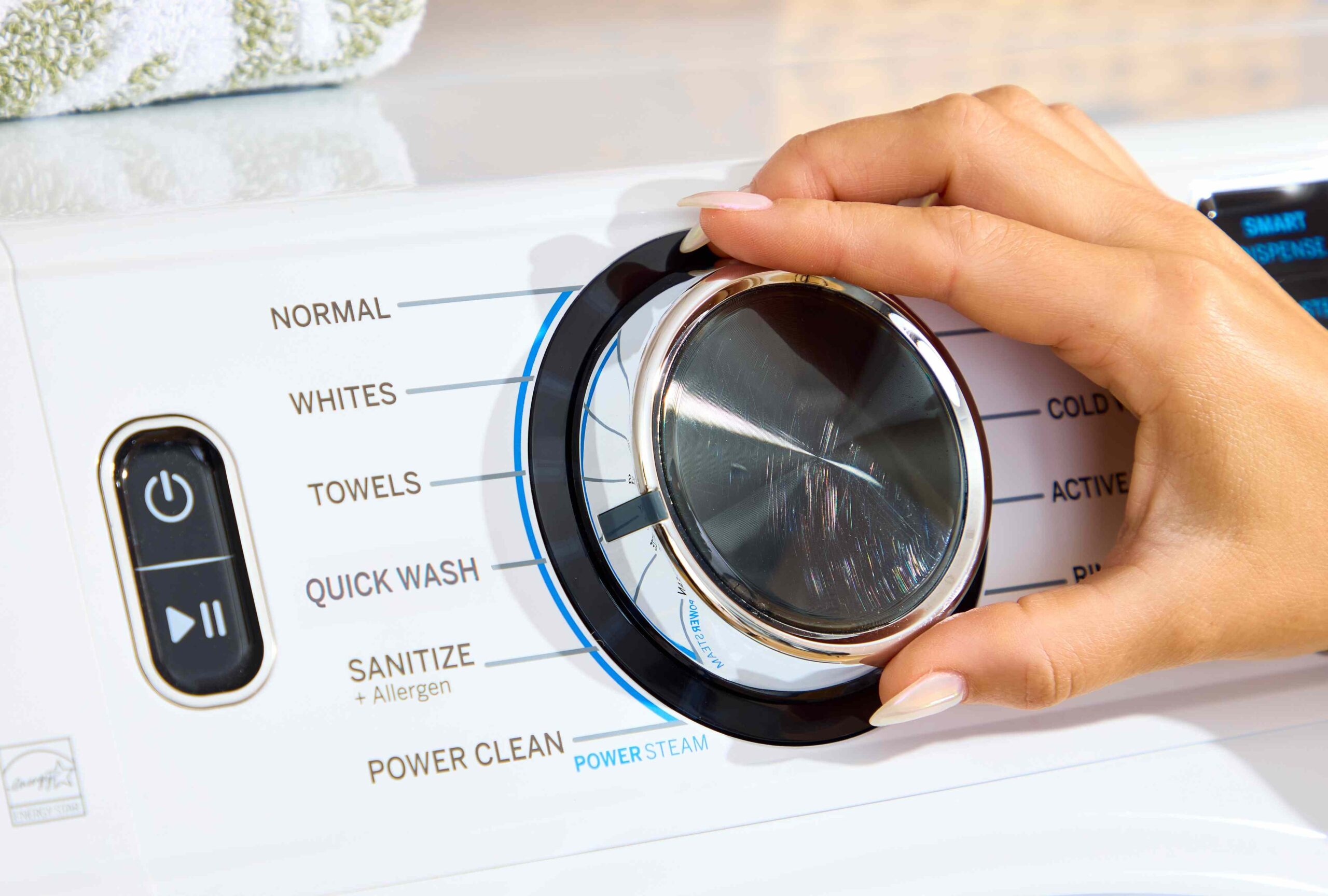
The quick wash cycle is a tempting time-saver, but it doesn’t always deliver a truly clean result. While convenient for freshening lightly soiled clothes, relying on it too often can leave garments dingy, detergent-ridden, or even smelly. Laundry experts break down when the quick cycle works and when a normal or heavy-duty wash is essential.
How Washers Clean: The Energy Equation
Effective laundry cleaning depends on three types of energy: chemical (from detergents), mechanical (from agitation), and thermal (water temperature). Modern washers often prioritize water and energy efficiency, sometimes at the cost of cleaning power. To compensate, manufacturers extend cycle times and use multiple rinses.
This means that while less water and heat can be efficient, they also require more time to thoroughly clean dirty clothes. The quick wash cycle circumvents this by reducing wash duration, spin cycles, and agitation – but at a trade-off.
What Is a Quick Wash Cycle?
A quick wash typically runs between 15 and 40 minutes, saving time by shortening the wash, rinse, and spin phases. While appealing for busy schedules, this speed comes with compromises. The reduced cleaning power makes quick washes suitable only for specific situations.
Pros and Cons of a Quick Wash
Quick washes shine when you need clean clothes fast, items are only lightly soiled, or you’re washing small loads. They also extend your washing machine’s lifespan by reducing wear and tear, and are gentler on delicate fabrics.
However, the reduced agitation and rinsing can leave behind odors, stains, and detergent residue. Quick washes may also fail to fully clean thick fabrics or properly sanitize items like towels or baby clothes. This matters because insufficient cleaning can harbor bacteria and allergens, impacting hygiene.
What Is a Normal Wash Cycle?
The normal cycle is designed for everyday laundry loads, balancing performance and efficiency. Running 50 minutes to an hour, it provides longer agitation, deeper rinsing, and higher spin speeds for a more thorough clean. This makes it ideal for clothes with average soil levels.
Quick Wash vs. Normal Wash: When to Choose Which?
The quick wash is best reserved for emergencies or lightly soiled items. For most loads, a normal cycle is the preferred choice. For heavily soiled clothes, a heavy-duty cycle provides the most aggressive cleaning action, with longer duration, increased water usage, and greater agitation.
This is especially critical if you have sensitive skin, wash laundry less frequently, or work in a profession with heavy grime. Using the quick wash on dirty clothes will often result in them remaining dirty rather than the detergent failing to work.
Relying on a quick wash as your default setting is a gamble. While it saves time, it risks leaving clothes unclean, perpetuating odors, and compromising hygiene.