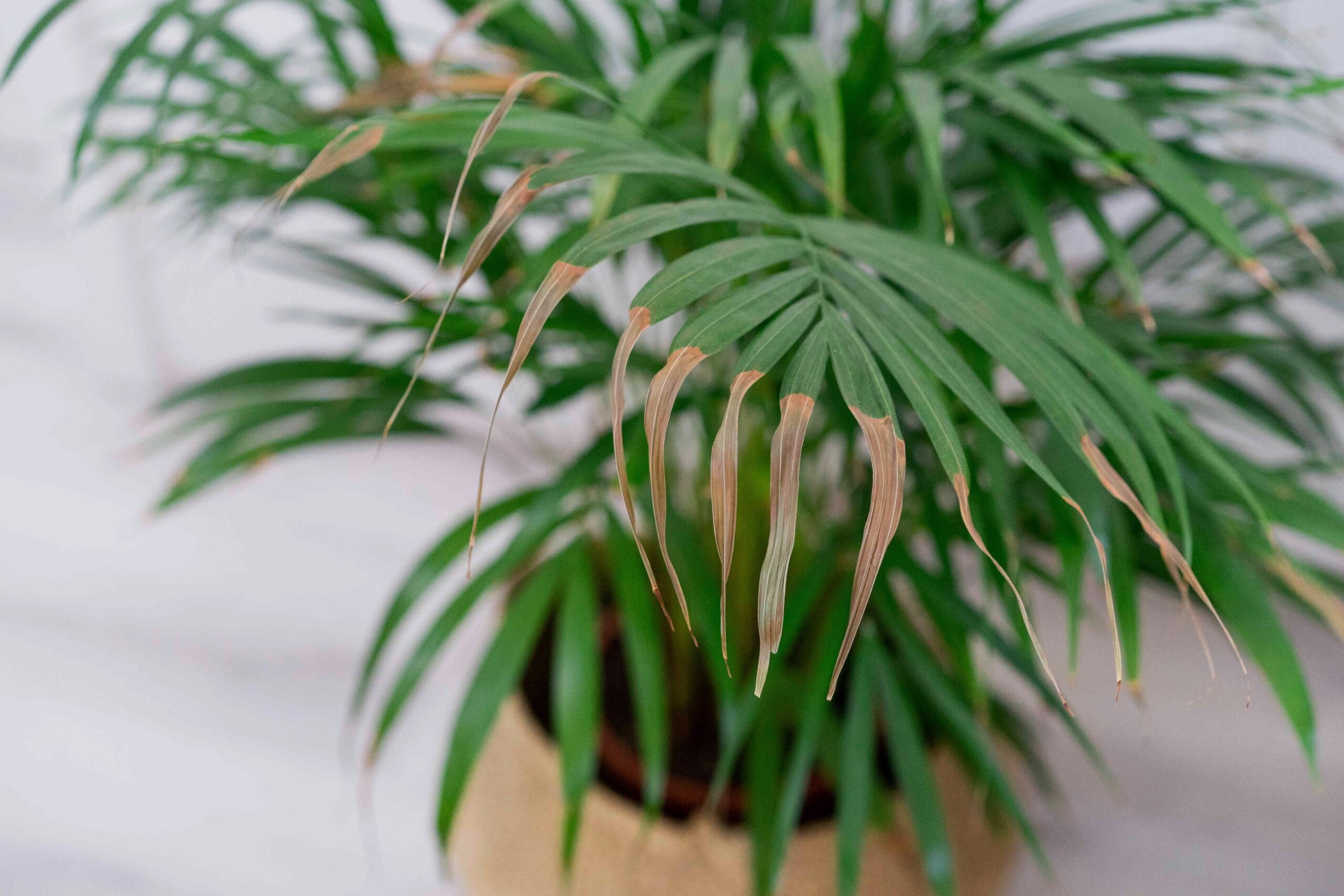
Houseplants thrive indoors by adapting to stable conditions, even surviving harsh weather. But widespread brown, crispy leaves signal a problem requiring attention. Here’s why it happens, and what to do about it.
1. Underwatering: The Most Common Cause
If you’ve skipped your usual watering schedule, dehydration is likely the culprit. Whether due to travel or oversight, severely dry plants need immediate intervention. Water thoroughly until liquid drains from the pot’s base. Bottom watering (placing the pot in a water reservoir) is ideal, allowing slow, deep rehydration. While past damage can’t be reversed, this ensures survival for future growth.
2. Low Humidity: The Winter Air Problem
Cold weather means drier air, especially indoors with heating systems running. Many houseplants need higher humidity than winter conditions provide. The best solution is a humidifier placed nearby. Grouping plants creates a localized humid microclimate, but this works best in enclosed spaces. Misting or pebble trays are ineffective for significantly raising humidity.
3. Too Much Sunlight: Unexpected Burn
While houseplants need light, excessive exposure (especially from south-facing windows or grow lights) can cause sunburn. This appears as pale, dry spots in tan, yellow, brown, or orange shades. Move affected plants to a less intense location or filter light with a sheer curtain. If new growth is normal, you’ve found the right balance.
4. Over-Fertilizing: A Winter Mistake
Houseplants need nutrients only during active growth (spring/summer). Fertilizing dormant winter plants damages roots and leaves. If this is suspected, stop fertilizing immediately. Flush the soil with water multiple times to remove excess nutrients; severe cases may require repotting in fresh soil.
5. Pest Infestations: Hidden Problems
Sap-sucking pests (like spider mites) cause leaves to curl, wilt, and turn brown. Look for cottony masses, webbing, insects, or sticky honeydew. Treat infestations promptly with insecticidal soap or horticultural oil, following label instructions carefully. For small infestations, dab pests with a rubbing alcohol-soaked cotton swab.
In conclusion, brown leaves in winter aren’t a death sentence. By understanding the common causes—and applying the right fixes—you can keep your houseplants thriving year-round. The key is to adjust care routines to match the season’s conditions.