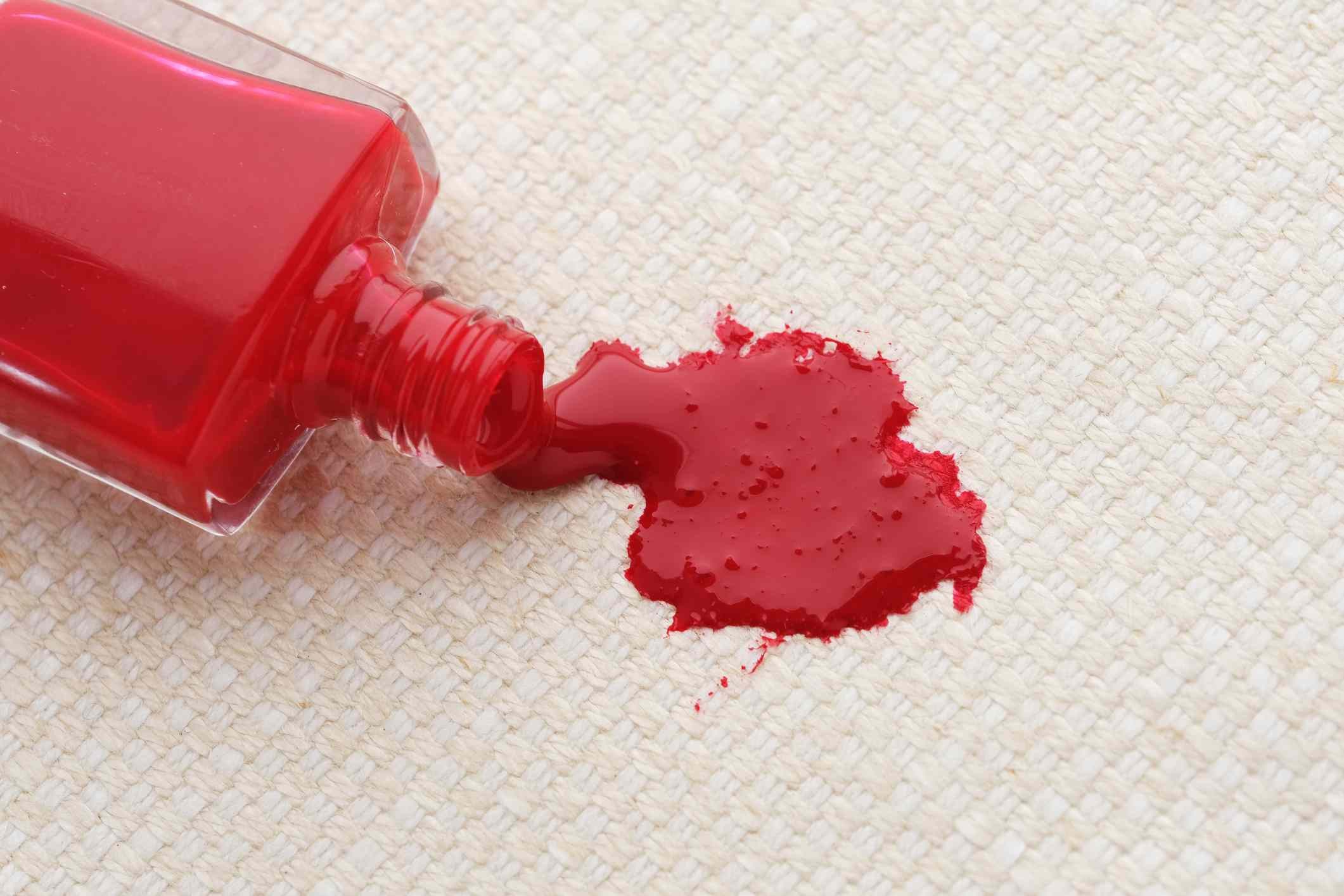
Accidental nail polish spills on upholstery are a common mishap, but removing the stain effectively requires a strategic approach. Unlike many household spills, nail polish sets quickly and can deeply embed itself in fabric fibers. Cleaning experts offer clear, step-by-step methods to tackle both wet and dried polish, preventing permanent damage to your furniture.
The First Rule: Never Rub
According to Lina DaSilva, founder of Toronto Shine Cleaning, the most critical step is to avoid rubbing wet nail polish at all costs. Rubbing only pushes the liquid deeper into the fabric, expanding the stain. Instead, immediately scoop up excess polish with a spoon or credit card before it spreads.
- Use a clean, white cloth dampened with non-acetone nail polish remover.
- Blot the stain gently; lifting straight up rather than dragging across the surface.
- Never pour the remover directly onto the couch, as this can dissolve the underlying foam padding.
Hardening Dried Polish with Cold
For already-dried polish, heat is counterproductive; it sets the pigment deeper into the fibers. The preferred method is to harden the polish further with cold. Martina Verzini, owner of Angel Nail Salon Miami, recommends using an ice pack to make the polish brittle.
- Apply the ice pack until the polish becomes hard and flaky.
- Carefully lift pieces of the dried polish using a credit card or your fingers, avoiding smearing.
Gel Polish: Physical Removal
Gel polish presents unique challenges due to its cured, hardened texture. Verzini suggests physical removal as the most effective approach.
- Apply an ice pack to the gel polish.
- Attempt to peel or pick off the dried polish using fingers, a nail file, or a credit card.
Using Acetone as a Last Resort
Acetone is a powerful solvent that should be used only when other methods fail. Its harsh chemical composition requires extreme caution.
- Never apply acetone directly to the stain.
- Dip a clean cloth or cotton ball into acetone and blot the remaining polish.
- Use a fresh cotton ball or cloth with each dab to prevent spreading the color.
Final Cleanup: Soap and Water
After removing the polish, finish by dabbing the area with slightly soapy water. This neutralizes chemical residue from the removers and freshens the fabric. This final step ensures no lingering chemicals damage the upholstery over time.
In summary: Prompt action and the right techniques are key to effectively removing nail polish from your couch. Avoiding rubbing, utilizing cold for dried polish, and employing acetone cautiously are the core strategies for preserving your furniture.