
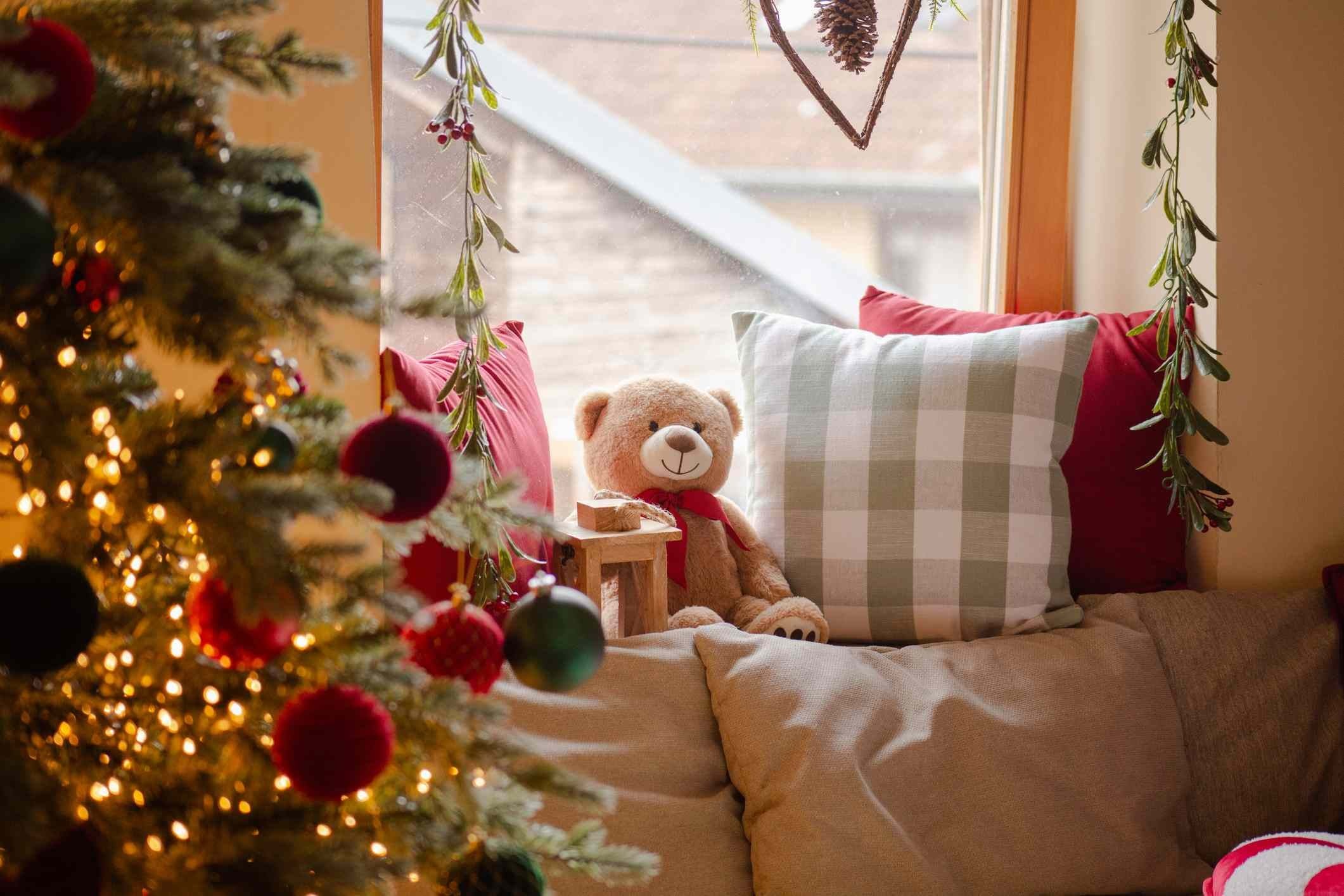
The bold, colorful aesthetic of 1990s preppy Christmas decor is making a major comeback this year. Interior designers say the trend taps into a desire for warmth, nostalgia, and a break from the minimalist styles that have dominated recent years. The look embraces classic patterns, rich colors, and traditional touches – a deliberate shift toward maximalism.
Why the ’90s Are Back in Style
The appeal of this trend lies in its familiarity and sense of comforting nostalgia. As designer Trevor Fulmer of Trevor Fulmer Design explains, the style “melds classic New England holiday charm with the polished, slightly traditional look.” It’s a reaction against the starkness of modern design, offering a more inviting and emotionally resonant atmosphere.
Consumers are actively seeking the “warmth, nostalgia, and cozy sophistication” this aesthetic provides, according to Adrienne Bugg, co-founder of Pillar & Peacock. Bugg suggests this style never truly disappeared, merely evolved into today’s trend of classic American design, warm woods, and “collected-over-time” interiors. The reference points are clear: think Home Alone sets or the pages of The Preppy Handbook.
Key Elements of the Look
To achieve this style, designers recommend layering textures and colors reminiscent of the era.
- Patterns: Tartans, deep reds, and greens are essential.
- Materials: Brass accents, needlepoint, flannel, and leather create the right feel.
- Garland: Generous use of evergreen garland draped on stair rails or mantels is crucial.
- Cozy Textures: Chunky knit throws and faux fur tree skirts enhance the nostalgic warmth.
As Samantha Arak, founder of Samantha Carey Interiors, puts it, it’s about fully embracing the bold and avoiding understated neutrals.
How to Incorporate the Trend
The easiest way to integrate this aesthetic is through textural accents. Flannel, with its thick wooly feel, instantly warms a space, while leather adds a preppy edge. Layering these elements with brass candlesticks and plaid pillows completes the look.
“The look feels familiar, yet fresh, and reminiscent of simpler times,” Fulmer says. “It also pairs beautifully with today’s trend of classic American style, warm woods, and ‘collected-over-time’ design.”
This resurgence of ’90s preppy Christmas isn’t just about aesthetics; it reflects a broader cultural shift toward comfort, familiarity, and a rejection of overly minimalist trends. The style is a deliberate choice to create a space that feels warm, inviting, and deeply nostalgic.