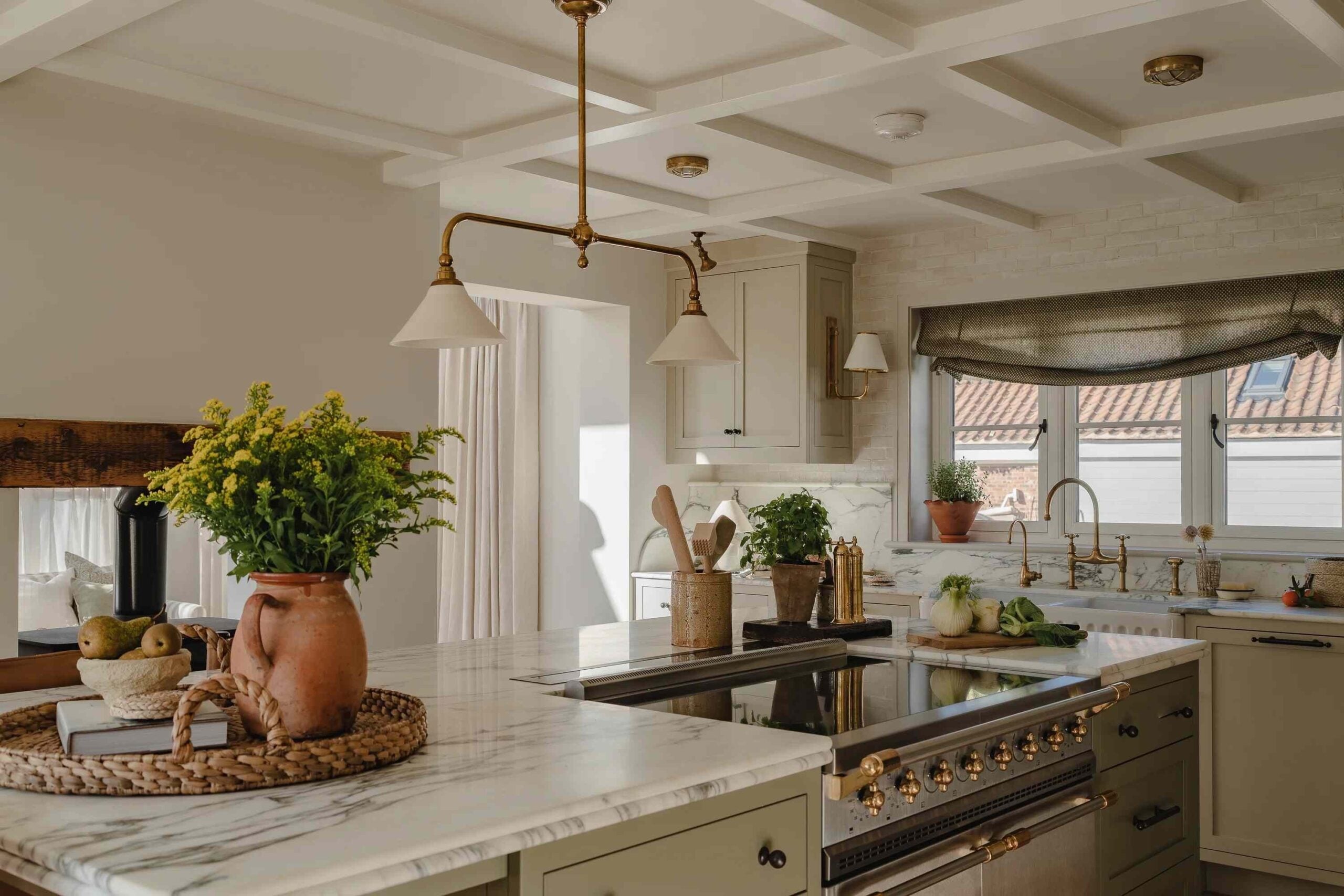
The early 2000s Tuscan kitchen – once considered dated – is experiencing a resurgence, according to designers. This revival isn’t simply about replicating the past; it’s driven by a desire for warmth, nostalgia, and a more authentic approach to kitchen design. The trend is gaining traction as younger generations rediscover the comforting aesthetic of their childhood homes, while others seek a welcoming and natural atmosphere in their own spaces.
The Appeal of Warmth and Nostalgia
Designer Colleen Bennett notes a clear pattern: people are drawn to the cozy, inviting feel that Tuscan kitchens evoke. The style taps into a sense of comfort and familiarity, particularly for Gen Z and younger Millennials who grew up surrounded by these designs. This isn’t solely a generational phenomenon, however; the broader appeal lies in the universal desire for a kitchen that feels lived-in and homely.
The return of this trend signals a shift away from sterile, minimalist kitchens towards spaces that prioritize warmth and natural materials. It reflects a growing appreciation for spaces designed to be felt as much as they are seen.
Beyond Glazed Cabinets: The Rise of Authentic Tuscan Design
The Tuscan kitchens of the early 2000s often featured exaggerated elements: heavy glazing, artificial travertine, and overly stylized decor. Today’s revival is different. Designers are emphasizing authenticity, drawing inspiration directly from Italian homes rather than caricatures.
Interior designer Lori Wilke, who has spent time living in Italy, points out the key distinction: real Tuscan kitchens prioritize lifestyle and functionality over superficial aesthetics. She observed that authentic designs embrace natural materials, organic textures, and a relaxed, unpretentious atmosphere. This authenticity is now more accessible than ever thanks to the internet, allowing designers and homeowners to research and replicate genuine Tuscan elements.
Designing a Timeless Tuscan Kitchen: Key Considerations
To avoid a fleeting trend, designers recommend a timeless approach that focuses on quality and natural elements. Here are essential tips:
- Invest in Quality Appliances: Italians value cooking, and their kitchens reflect this with top-tier appliances, including gas cooktops, high-end refrigerators, and espresso machines.
- Embrace Natural Finishes: Prioritize materials found in nature, such as marble, soapstone, and unlacquered metals that develop patina over time. Avoid mass-produced alternatives.
- Prioritize Natural Light: Tuscan kitchens were originally designed around sunlight. Maximize natural light by using sheer window coverings and avoiding excessive artificial lighting.
- Keep it Relaxed: The essence of a Tuscan kitchen is its inviting, unfussy atmosphere. Focus on creating a space that encourages gathering, cooking, and enjoying company.
“Take time to create a kitchen that is very welcoming and not fussy,” Wilke advises. “It’s all about the company and the food.”
The comeback of the Tuscan kitchen isn’t just about aesthetics; it’s about a cultural shift towards warmth, authenticity, and a celebration of the simple pleasures of home. The trend’s longevity will depend on maintaining this focus on genuine design elements rather than superficial imitation.