Many homeowners live with layouts they’ve grown accustomed to, often unaware of how certain choices make spaces feel cramped. A home should be a sanctuary, not a source of visual stress. According to interior designers, these five common mistakes are almost always the culprits.
Oversized Furniture: A Space Killer
The biggest mistake? Furniture that doesn’t fit the room. Interior designer Shiva Samiei notes that even well-intentioned oversized sofas often leave too little walking space—as little as 12-15 inches of clearance, instead of the recommended 30. While a large couch may be comfortable, it can make an entire room feel uncomfortably tight.
The solution is simple: measure carefully. If a room feels cramped, start by assessing the true size of your furniture and whether it’s appropriate for the space.
Dark Window Treatments: Shrinking the Room
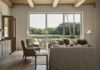
Dark or heavy window coverings can visually shrink a room. Samiei recommends replacing dark curtains with roller shades mounted within the window frame. This simple change can create the illusion of greater space by maximizing natural light and minimizing visual clutter.
This matters because light is a key element in perception: rooms feel bigger when they are well-lit and visually open.
Excessive Trinkets: Visual Overload
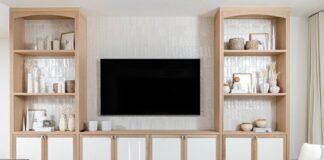
Too many small decorative objects make any space feel cluttered. Samiei suggests a strict rule: no more than three to five items per horizontal surface. Eliminating unnecessary trinkets from bookshelves, desks, and nightstands can dramatically reduce visual weight and create a more serene environment.
This isn’t just about aesthetics. A cluttered space can contribute to stress and a feeling of being overwhelmed.
Low-Profile Furniture: The Illusion of Lower Ceilings
Counterintuitively, low-profile furniture can make a room feel smaller, not larger. Samuel Davis explains that furniture with vertical height creates the impression of taller ceilings, making the space feel more open. If you favor low sofas or bookshelves, consider replacing them with taller pieces to maximize the sense of spaciousness.
This is a classic design trick: vertical lines draw the eye upwards, making ceilings appear higher and rooms feel more expansive.
Too Many Small-Scale Items: Disjointed Chaos
Elissa Hall points out that an abundance of small rugs, artwork, or furniture creates a disjointed, busy atmosphere. Instead, focus on a few larger, cohesive pieces. A single statement rug or a carefully selected set of artwork can create a greater sense of flow and airiness than multiple scattered items.
The key is to create visual harmony, not fragmentation. A unified design approach makes a space feel more intentional and spacious.
In conclusion, creating a spacious home isn’t about having more space—it’s about making the most of what you have. By addressing these common design mistakes, you can transform a cramped environment into a serene and inviting sanctuary. Careful measurement, light-maximizing window treatments, and a streamlined aesthetic can make all the difference.