Knowing when to prune shrubs is crucial for maximizing their health and flowering potential. While general advice suggests late winter or early spring for most species, fall pruning can be beneficial for certain plants—but timing is everything. Incorrect pruning can reduce blooms, encourage weak growth, or leave shrubs vulnerable to winter damage.
Why Pruning Timing Matters
The success of pruning hinges on whether a shrub blooms on “old wood” (previous season’s growth) or “new wood” (current season’s growth). Shrubs blooming on old wood, like hydrangeas and lilacs, have already set next year’s buds. Fall pruning removes these buds, reducing flowering.
However, fall pruning can strengthen shrubs prone to winter damage. Open-growing varieties become more stable when pruned before snow and ice arrive. Additionally, removing overgrown foliage improves light and air circulation while preventing fungal diseases from overwintering in debris.
The key is dormancy: Pruning too early triggers tender growth that won’t survive harsh conditions, ultimately increasing spring cleanup.
6 Shrubs to Prune Before Winter
These shrubs benefit from fall trimming to improve structure, airflow, or disease resistance:
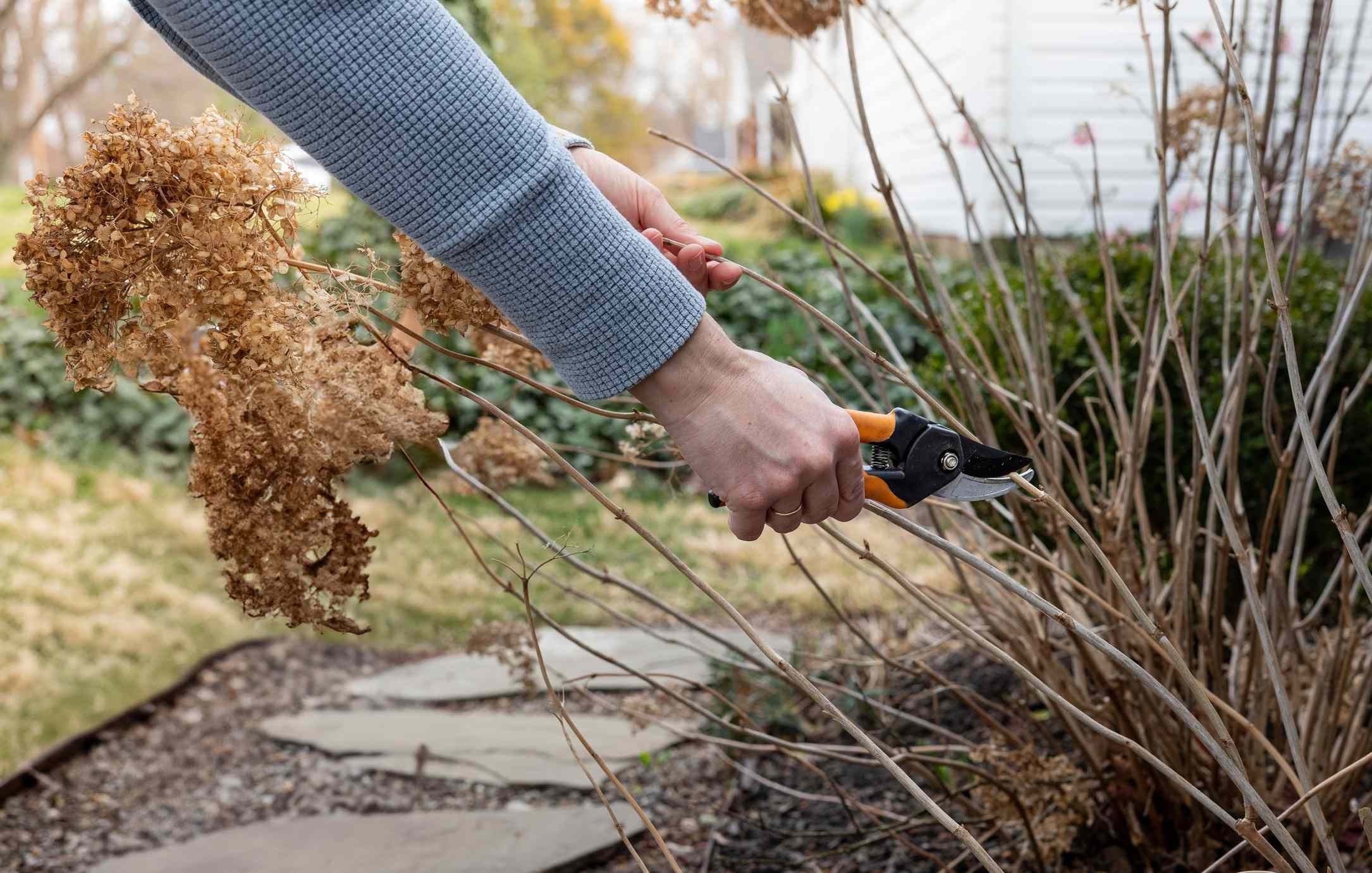
- Smooth and Panicle Hydrangeas: These bloom on new wood. Fall pruning compacts their shape, especially in colder climates.
- Chaste Tree: This fast grower (up to 3 feet annually) thrives with pruning to encourage light penetration and airflow.
- Spirea: Another fast grower, spirea benefits from a one-third reduction in size to promote healthier growth.
- Peony: Prone to fungal issues, peonies should be cut back to 2-3 inches to eliminate overwintering pests.
- Wisteria: While technically a vine, wisteria benefits from fall pruning to control growth and encourage flowering on lateral branches.
- Knockout Roses: Unlike most roses, Knockout varieties bloom on new wood and benefit from one-third pruning for wind resistance.
3 Shrubs to Wait Until Spring
Some shrubs are best left until late winter or early spring to maximize flowering:
- Boxwood: Pruning with the first flush of new growth directs desired shape.
- Holly: Shaping in spring before new growth appears avoids reducing flowering and berry production.
- Red Twig Dogwood: Mature dogwoods (3-4 years old) benefit from removing one-third of the oldest stems while dormant, stimulating vibrant new growth.
Minimalist Pruning: When Less Is More
Not all shrubs require heavy pruning. Removing suckers, dead branches, or crossing limbs throughout the year supports healthy growth without drastic intervention.
Strategic pruning isn’t about forcing plants into submission; it’s about working with their natural cycles to optimize health and aesthetics.
By understanding growth patterns and timing, gardeners can ensure shrubs thrive through winter and flourish next season.