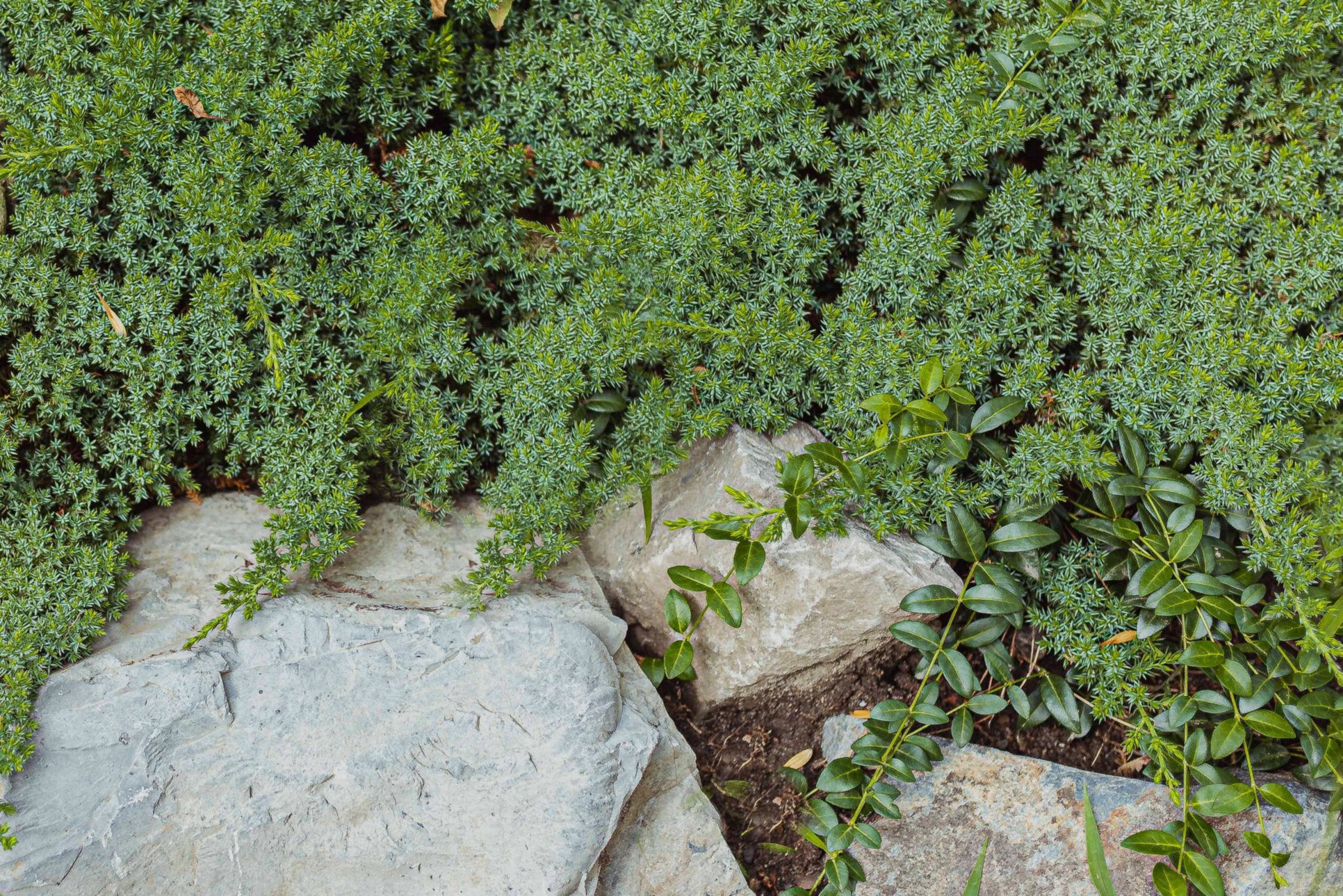
Sedums don’t care. They don’t want water, they don’t need coddling, and they definitely don’t care about your lawn mower settings. These stonecrops are basically nature’s version of a no-fee subscription service for your landscape.
You get ground cover. Fast. Low effort. And zero apologies for skipping a weed pulling session because deer refuse to eat them.
Most varieties survive USDA zones 3 through 9. Some handle shade. Most laugh at drought. The foliage changes color with the seasons, so it isn’t just a green blob—it has moods. The roots are shallow. Non-invasive. Perfect for tucking into cracks between pavers or covering those barren, rocky hillsides everyone else ignores.
Here are eleven types that actually cover ground without killing you or your soil.
White Sedum (Sedum album )
The baseline. White flowers. Green leaves that turn a surprising shade of red in the fall.
It’s slow. Very slow. But if you have soil that looks more like dirt and gravel, this is the fix. Drought hits it? The leaves blush pink. It survives.
The Stats:
* Zones: 3-9
* Light: Full sun (takes a little shade)
* Height: 3–6 inches
* Spread: 12-18 inches
‘Murale’
Same DNA as the white kind. Different wardrobe.
This one has bronze leaves. It’s smaller. The pink flowers come out in early summer, and butterflies show up immediately. Because, obviously, they need something to feed on that doesn’t taste terrible.
The Stats:
* Zones: 3-9
* Light: Full sun
* Height: 3–4 inches
* Spread: 12-18 inches
Cascade Stonecrop (Sedum divergens )
Also called spreading stonecrop. The name tells you exactly what it does. It spreads. Irregularly. Like it has no direction, just ambition.
Green leaves. A red tint if you hit them with serious sun. Yellow flowers in the middle of summer. It can spread several feet from a single plant. Keep that in mind when you plant it near a patio edge.
The Stats:
* Zones: 4-9
* Light: Full sun
* Height: 3–4 inches
* Spread: 12-24 feet? No. 12-24 inches per clump, but they creep.
Pink Mongolian Stonecrop (Hylotelephium ewERSii )
Taxonomists love a drama. This plant used to be Sedum ewersii. Now it’s Hyloteleph. Same plant. New name.
It has blue-gray leaves. Pink flowers in late summer. In late fall, before the snow, cut it back to the ground. Let it die properly. It loves dry soil and rock gardens.
The Stats:
* Zones: 2–9 (That is cold)
* Light: Full sun or partial shade
* Height: 4–6 inches
* Spread: 12 inches
‘Blue Spruce’ (Sedum reflexum )
Blue foliage. Not gray-blue. Blue-blue.
It grows fast. Tiny yellow flowers show up in mid to late summer. Propagate it by cutting. Seriously. Stick a piece in dirt and it lives. It looks good next to low evergreens because the colors vibrate against each other.
The Stats:
* Zones: 4–9
* Light: Full sun only
* Height: 4–8 inches
* Spread: 12-24 inches
Japanese Stonecrop (Hylotelephium sieBOLDII )
Another rebranding victim. Formerly Sedum, now Hyloteleph.
Silver-blue leaves. Red edges. Hot pink flowers in the fall. Why is this important? Because fall gardening usually sucks. Everything goes brown and sad. This stays bright. Plant it in the dark corners of your yard.
The Stats:
* Zones: 3-9
* Light: Full sun
* Height: 3-4 inches
* Spread: 12-24 inches
‘Purple Emperor’
Most groundcovers lie flat. This one stands up a bit. More vertical.
Plum foliage. Pink flowers. It’s dramatic. Plant it next to silver foliage or yellow blooms to make the colors pop. Good for filling pockets in a rock garden where a flat spread won’t do.
The Stats:
* Zones: 4–9
* Light: Full sun (shaded in hot summers)
* Height: 12–15 inches
* Spread: 12–15 inches
‘Angelina’
The gold standard. Literally.
Leaves start gold. Turn bronze when it gets cold. Tiny yellow flowers all summer long. It mats down like a rug. Contrast it with dark foliage plants for effect. It fits in containers. Hanging baskets. Rock crevices. It wants to go where water doesn’t stay long.
The Stats:
* Zones: 3–9
* Light: Full sun to partial
* Height: 4-6 inches
* Spread: 1-3 feet
Coral Reef (Sedum tetracTinUm )
Rare yellow-green sedum. Most are gray or green. This one glows.
Tiny white or pink flowers in July. Ignore them. Look at the leaves. Plant a lot of them together. It forms a carpet. Mix it with dark greens. Cut a stem. Root it. Easy.
The Stats:
* Zones: 5–8
* Light: Full sun
* Height: 2–3 inches
* Spread: 12 inches
Russian Stonecrop (Sedum kamchaticUm )
Deep green. Gold flowers. Late summer bloom.
It is reliable. Fast growing. It fills holes in stone walls like a Tetris piece. In the fall, the leaves turn bronze. It just keeps going.
The Stats:
* Zones: 3–8
* Light: Full sun
* Height: 3–6 inches
* Spread: 16 inches
Golden Japanese Stonecrop (Sedum makInOI ‘Ogon’ )
Tiny yellow leaves. Very small plant. Native to the rocky valleys of Japan, which means it ignores humidity and thrives in neglect.
It is low. It mats. It needs partial sun. Too wet and it drowns. Too dry? Fine. Keep it in a stone garden. Or a pot.
The Stats:
* Zones: 7-9
* Light: Partial sun
* Height: 2-4 inches
* Spread: 6-10 inches
How to Plant (And Not Kill)
Plant in the spring. Wait until frost is gone. Start before summer heat sets in so roots can establish themselves without stress.
Full sun is non-negotiable for the tall stuff. The creepers? They take partial shade. Soil? Well-drained. Neutral pH. Do not plant this in mud.
Sedum survives where other plants quit. Use that to your advantage. The only question is, how much bare dirt are you willing to leave uncovered?