California is defined by its extraordinary biodiversity, ranging from lush forests and winding rivers to arid deserts and vibrant coastlines. However, this natural wealth is under constant siege from invasive species —organisms introduced from outside their native ranges that establish themselves, spread rapidly, and cause profound damage to the environment, agriculture, and infrastructure.
Unlike native species that have evolved alongside one another in a balanced web, invasive invaders often arrive without natural predators. This allows them to outcompete local wildlife, reshape entire landscapes, and impose massive costs on human systems.
Why California is a High-Risk Zone
California’s geography and economy make it particularly vulnerable to biological invasions. The state serves as a global crossroads through:
– Major international ports that can inadvertently introduce marine species.
– A massive nursery and aquarium trade where escaped pets become invaders.
– Busy highways and transit corridors that facilitate the movement of pests.
– Extensive water infrastructure, including reservoirs, irrigation channels, and rivers.
Because California enjoys a mild climate across much of the state, many non-native species find it easy to survive and reproduce, turning small introductions into widespread ecological crises.
The Green Invasion: Plants Remaking the Landscape
Invasive plants do more than just take up space; they fundamentally alter the physical environment.
1. Reshaping Waterways and Fire Risks
Species like Giant reed (Arundo donax ) grow with aggressive speed along riverbanks. By crowding out native vegetation, they turn diverse streamside communities into dense, monocultural “walls” of grass. This not only destroys habitats for birds and fish but also alters how wildfires behave in riparian zones.
In the water, invasive plants like Hydrilla and Egeria densa create thick, suffocating mats. These mats:
– Block sunlight for native aquatic life.
– Slow water movement, which can interfere with flood control.
– Clog irrigation systems and reduce recreational access for humans.
2. Disrupting Agriculture and Grasslands
On land, the Yellow starthistle has become a notorious invader in grasslands. By displacing native grasses, it reduces the quality of forage available for livestock and wildlife, creating a direct conflict between conservation needs and agricultural productivity.
The Predator Problem: Animals and Pathogens
Invasive animals often succeed because they are “generalists”—they eat almost anything and breed rapidly. This allows them to disrupt food webs and introduce deadly diseases.
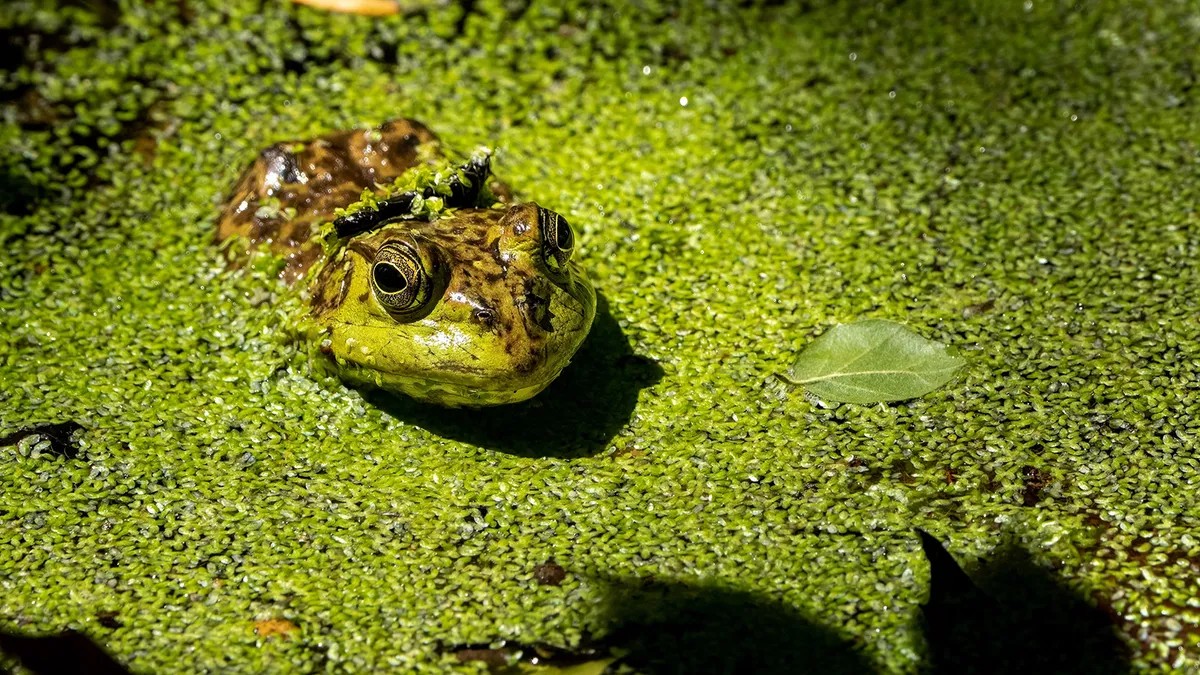
- Amphibian Threats: The American bullfrog, originally introduced for food, is a voracious predator of native frogs and fish. More critically, it acts as a carrier for the chytrid fungus, a pathogen that has decimated amphibian populations globally.
- Aquatic Disruptors: Quagga and zebra mussels are among the most economically damaging invaders. They carpet hard surfaces, clogging the very pumps and pipes used to deliver water to cities and farms. Meanwhile, species like the New Zealand mud snail can reach such high densities that they strip the nutrients out of entire stream ecosystems.
- Terrestrial Pests: From the Argentine ant, which displaces native insects, to the Nutria (a large rodent) that destabilizes river levees by destroying wetland plants, these animals break the natural balance of their new homes.
Forest Killers: The Case of the Goldspotted Oak Borer
Some invasions are invisible until it is too late. The goldspotted oak borer, an insect introduced from the Southeast, represents a massive threat to California’s woodlands. Its larvae tunnel under the bark of oak trees, cutting off their ability to transport water and nutrients.
Because oaks are “keystone species”—providing shade, moisture, and food for countless other organisms—the death of these trees triggers a domino effect of habitat loss, increased fire risk, and diminished biodiversity.
The Battle for Control: Prevention and Public Action
Once a species is established, eradication is rarely possible. Therefore, the California Department of Fish and Wildlife and other agencies focus on a multi-layered defense:
- Prevention & Detection: Using tools like the UC Davis invasive species database to track threats.
- Mechanical & Chemical Control: Cutting back invasive reeds or using targeted treatments.
- Biological Control: Introducing carefully tested natural enemies to suppress invaders (a high-stakes scientific approach).
- Public Responsibility: Encouraging the “Clean, Drain, Dry” protocol for boaters to prevent the spread of mussels, and using reporting apps like EDDMapS to help experts find new outbreaks.
The Bottom Line: Managing invasive species is not just about protecting a single plant or animal; it is about ensuring that California’s essential ecosystems—and the industries that rely on them—can continue to function.
Conclusion: Invasive species represent a multifaceted threat that bridges the gap between environmental conservation and economic stability. Protecting California’s future requires a combination of rigorous scientific monitoring, proactive policy, and vigilant public participation to stop invasions before they become permanent.